Demon Boy
Play Demon Boy
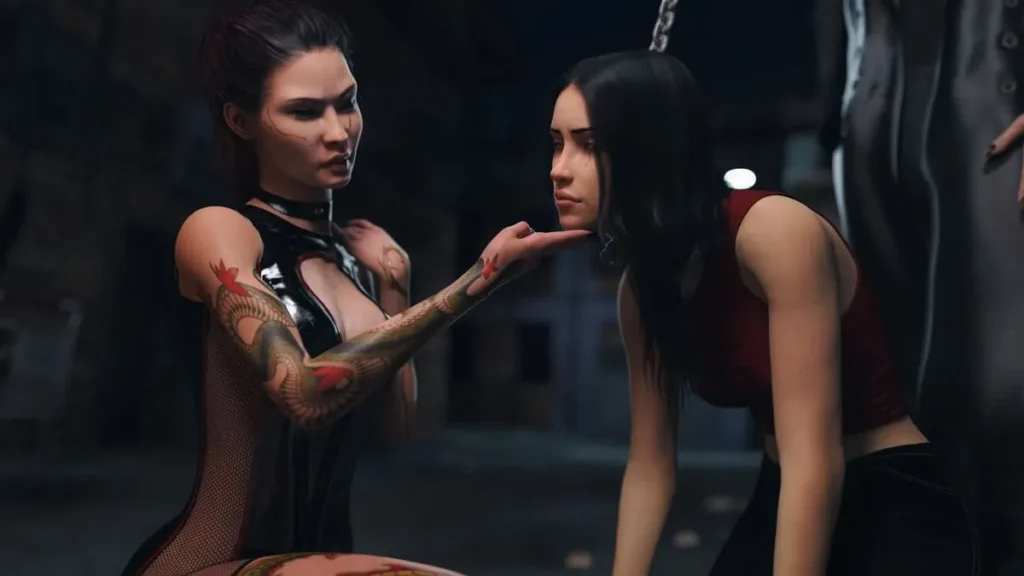
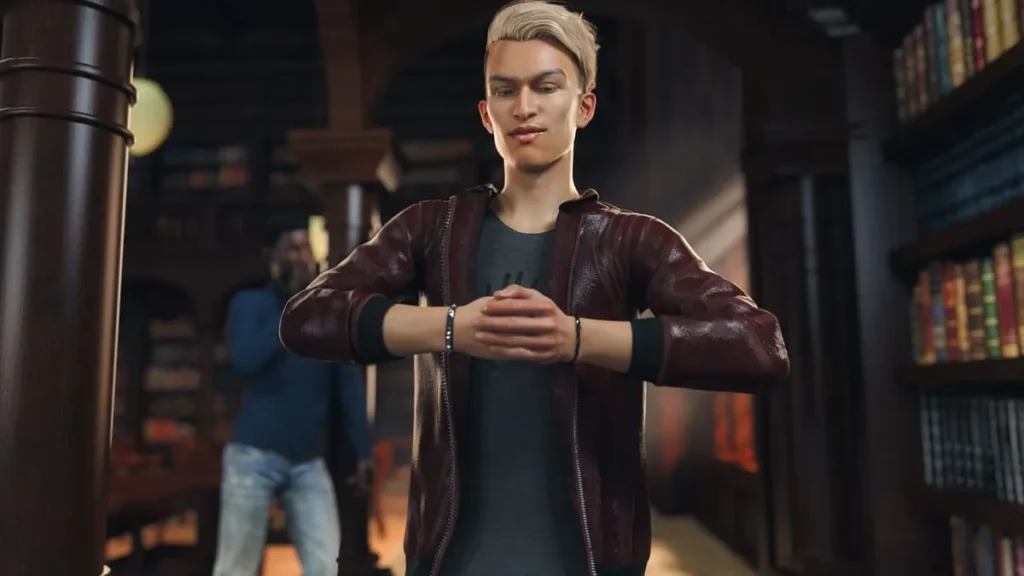
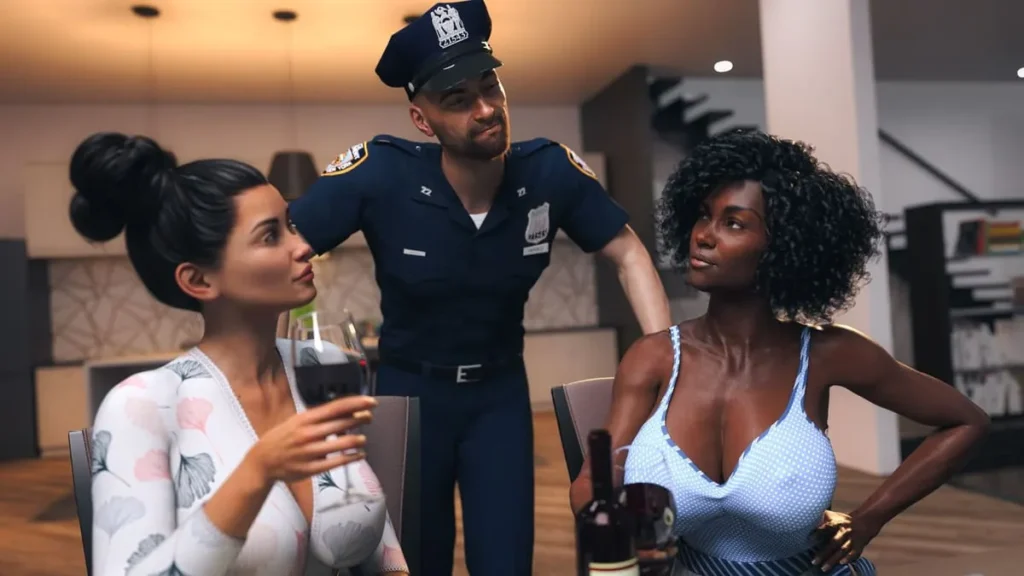
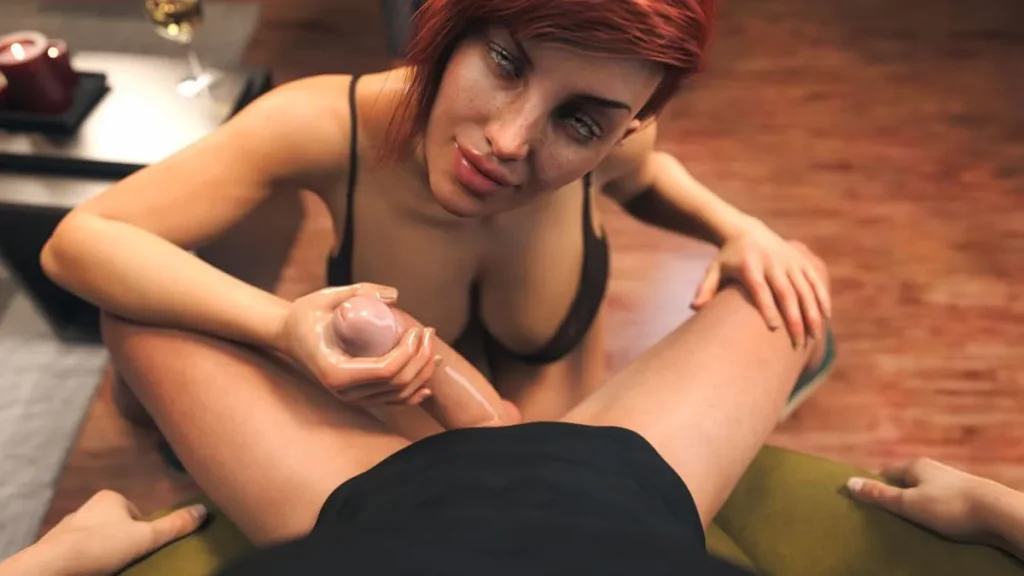
Demon Boy Screenshots





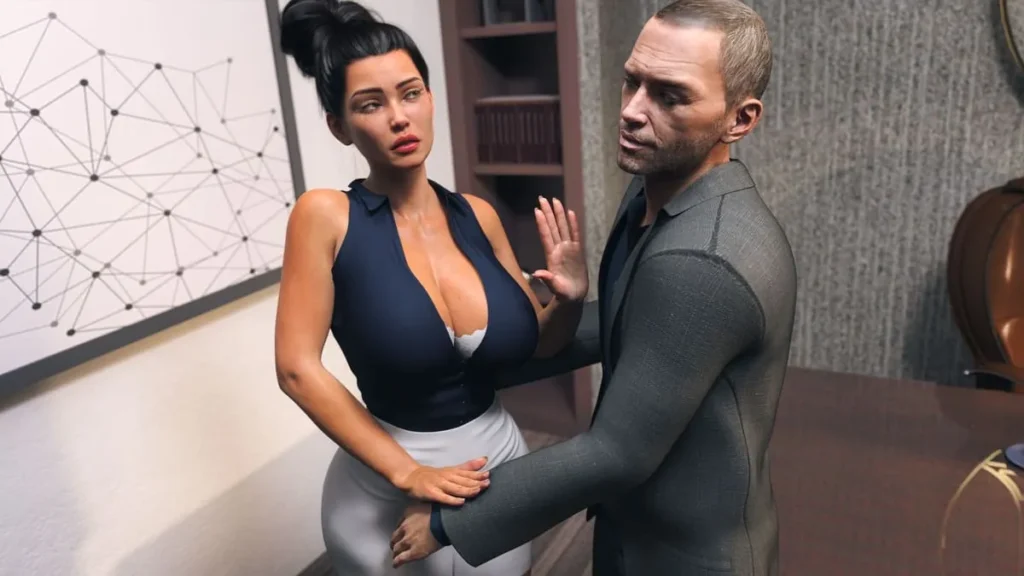
Demon Boy review
An in-depth, practical guide to playing, understanding, and enjoying Demon Boy
Demon Boy is a single-game focus guide that walks you through everything a player needs to know — from story and core mechanics to practical tips and community insights. If you’re looking for clear advice, hands-on strategies, and candid impressions about Demon Boy, this article gives a personal, experience-driven walkthrough that helps you get the most from the title. I’ll share what surprised me, pitfalls I hit during my first playthrough, and step-by-step advice so you can dive in confidently.
Overview: What Demon Boy Is and Why It Matters
So, you’ve heard the name whispered in gaming forums or seen a captivating, slightly eerie piece of art pop up on your feed. What is this Demon Boy game everyone’s suddenly talking about? 🤔 At its heart, Demon Boy is a narrative-driven adventure RPG where you step into the worn shoes of a young man bound to a mysterious demonic entity, navigating a world that fears what you’re becoming. Your objective? To uncover the truth behind this pact, manage the power within, and decide what kind of person—or being—you want to be in a story that reacts to every choice you make.
To get everyone on the same page, here’s a quick rundown of the essential facts:
| Category | Details |
|---|---|
| Platform(s) | PC (Steam), Major Consoles (PlayStation, Xbox, Nintendo Switch) |
| Developer / Publisher | Lunar Forge Studios / Neon Tide Interactive |
| Genre | Narrative Adventure, Role-Playing Game (RPG) |
| Recommended Age | Mature (17+) |
| Estimated File Size | ~15 GB |
| Release Date | Available Now |
This Demon Boy overview is your starting point. It’s more than just a game; it’s an experience that blends personal struggle with supernatural stakes, asking you to balance humanity against otherworldly power.
What Demon Boy is — genre, premise, and core loop
Let’s crack open the Demon Boy premise. Imagine your life flipped upside down not by choice, but by a latent inheritance or a forgotten bargain. You aren’t a chosen hero from a prophecy; you’re an ordinary person who now shares their soul with a demon. This isn’t about world domination (at least, it doesn’t have to be 😉). It’s a deeply personal journey about coexistence, identity, and consequence. The core tension is brilliant: the demon’s power can solve problems and protect those you care about, but using it corrupts your spirit, alters how others see you, and changes the story’s path.
The core game loop is a masterful dance between three key pillars:
-
Exploration & Dialogue: You’ll explore atmospheric locales, from misty rural towns to your own psyche. Talking to people is your primary tool. Every conversation is a potential minefield or a bridge to understanding. The game tracks relationship values with key characters, and your dialogue choices directly influence whether they see you as a friend, a threat, or something to be pitied.
-
The Pact System (Resource Management): This is the brilliant mechanical heart of the Demon Boy game. You have a “Pact Meter” or a similar resource representing the demon’s influence. Using special abilities in puzzles or confrontations fills this meter. Let it max out, and you risk losing control in a narrative sense—making a choice you didn’t intend. To lower it, you must engage in consciously “human” acts: helping others selflessly, pursuing personal hobbies, or resisting easy, power-fueled solutions. It’s a constant, tangible struggle between the easy way out and the right thing to do.
-
Story Progression & Pivotal Choices: The game is structured around chapters. Your actions, dialogue successes/failures, and Pact management culminate in major decisions at the end of each segment. These aren’t simple “good vs. evil” buttons. They’re complex dilemmas like, “Do I use the demon’s power to save this person now, guaranteeing their safety but terrifying everyone watching, or do I try a riskier, human method that might fail?” These choices branch the narrative in significant ways, promising high replay value.
You might get into tense situations that feel like combat, but they’re often resolved through quick-time event sequences, dialogue challenges, or strategic use of your powers. It’s less about reflexes and more about the strategic narrative choices you make under pressure.
Who should play Demon Boy? target audience and content warnings
This isn’t a game for everyone, and that’s okay! Knowing who it’s for and what it contains is crucial for the best experience. 🎯
The Ideal Demon Boy Player:
You’ll love this Demon Boy game if you live for stories with moral gray areas, complex characters, and permanent consequences. If games like Disco Elysium, Life is Strange, or Night in the Woods gripped you with their writing and character depth, you’re in the right place. It’s for players who want to role-play authentically, who don’t mind (and even enjoy) sitting with uncomfortable themes, and who believe that the journey and its emotional impact are more important than a high score or a perfect ending.
Now, let’s talk frankly about the Demon Boy content warnings. This game tackles mature themes head-on, and being prepared is part of respecting the experience. The developers don’t use this material for shock value; it’s integral to the story of trauma, power, and recovery.
Important Tip: The game’s settings menu includes options to blur or skip graphically intense sequences and provides detailed, individual toggles for certain thematic elements. I highly recommend checking this menu before you start.
Here are the primary content warnings to be aware of:
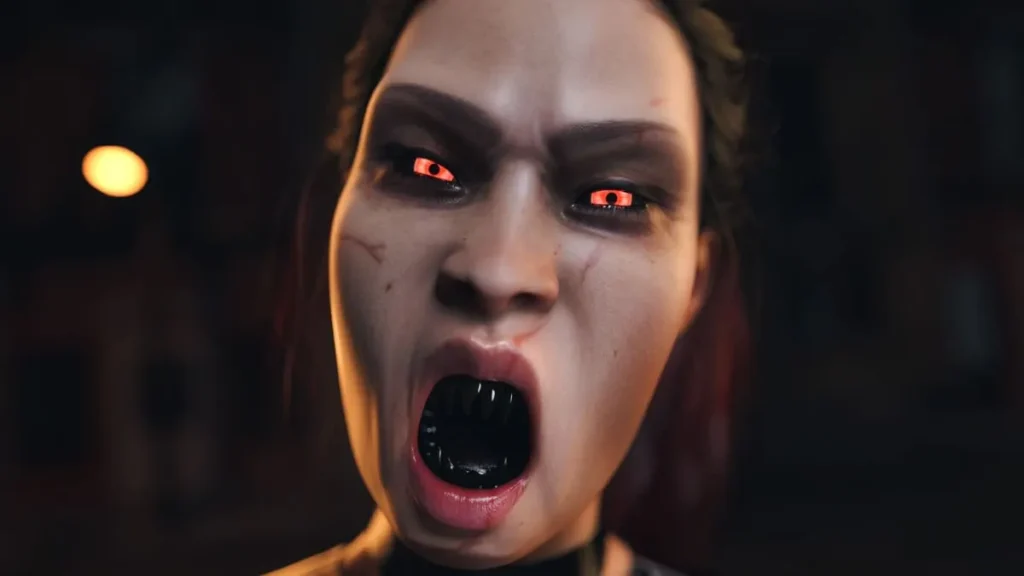
* Psychological Horror & Body Horror: The demonic influence can manifest in unsettling visual and auditory ways. Expect themes of loss of self, possession, and physical transformation.
* Themes of Trauma & Depression: The protagonist’s journey is heavily tied to processing past trauma, isolation, and mental health struggles. Some scenes depict anxiety attacks, depressive episodes, and dark thoughts.
* Violence & Death: While not excessively gory, the story involves supernatural violence, death of characters, and discussions of suicide.
* Strong Language & Disturbing Imagery: The dialogue is raw and unfiltered when the situation calls for it, and some symbolic imagery can be intense.
This Demon Boy content warnings section isn’t meant to scare you off—it’s to ensure you’re in the right headspace to engage with a story that can be emotionally demanding but incredibly rewarding. This is firmly a Mature (17+) experience.
First impressions and personal anecdote from an initial session
I went into my first session expecting a dark, brooding superhero simulator. I was ready to unleash hellfire on bullies and be the cool, edgy anti-hero. Oh, how wrong I was. 😅
Booting up the Demon Boy game, I was immediately struck by the melancholy, almost dreamlike soundtrack and the beautiful, hand-painted art style that felt both inviting and deeply sad. I created my character, named him Leo, and dove in. The Demon Boy premise established itself quickly: a childhood incident, a buried memory, and now a voice in my head that wasn’t mine.
My first surprise came within 30 minutes. I encountered a character being harassed. My initial gamer instinct kicked in: time to test the powers! I selected a dialogue option that had a subtle, fiery icon next to it, implying a demonic influence. Leo threatened the harasser with a supernatural growl, his eyes flickering. It worked instantly—the guy fled in terror. I felt powerful! ✅ Mission accomplished.
But that was my early mistake. I didn’t pay enough attention to the aftermath. The person I “saved” looked at Leo not with gratitude, but with absolute fear. They stammered and backed away. A tooltip quietly informed me my “Town Trust” meter had dipped, and my Pact Meter had noticeably jumped. Later, in the next story beat, that same fearful character refused to help me with crucial information, all because of my earlier “solution.”
I had used a tank to kill a fly, and I’d shattered a potential friendship in the process. The game wasn’t punishing me; it was teaching me its core language. The “fix” wasn’t reloading a save (though I was tempted!). Instead, I lived with it. For the next few in-game days, I deliberately chose minor, human actions: I helped a shopkeeper organize shelves, I sat by the river to sketch, I apologized to someone for a sharp word. I watched the Pact Meter slowly recede. The game rewarded this not with a trophy, but with a quieter, more poignant scene of connection with another character. It felt earned.
That first session taught me that Demon Boy isn’t about what power you use, but why you use it, and what you’re willing to sacrifice for it. The surprise was its profound subtlety. The mistake was thinking like a gamer instead of thinking like Leo.
So, why does Demon Boy stand out in a sea of narrative games? It’s the fearless commitment to its central theme of duality. The writing is sharp and nuanced, refusing to judge your choices while making you feel their weight. The Pact System is a mechanical masterpiece that perfectly mirrors the internal conflict. It doesn’t just tell you a story about a boy and a demon—it makes you feel the strain of that bond in your very decision-making process. While other games might offer binary moral choices, Demon Boy lives in the exhausting, exhilarating gray area in between, creating a uniquely personal and memorable journey for every player who dares to make the pact. 🖤
Demon Boy offers a focused experience with distinct narrative and gameplay hooks; this guide has walked through the essentials: what the game is, how its story and characters function, practical gameplay strategies, installation and safety steps, and ways to engage with the community. Use the play tips and save strategies to explore multiple story paths, apply the troubleshooting steps if you hit technical issues, and consider joining community channels to get help or contribute back. If you’re ready to dive deeper, save frequently, try an alternate choice in your next run, and share what you discover with other players.