Demons of the Hearth
Play Demons of the Hearth
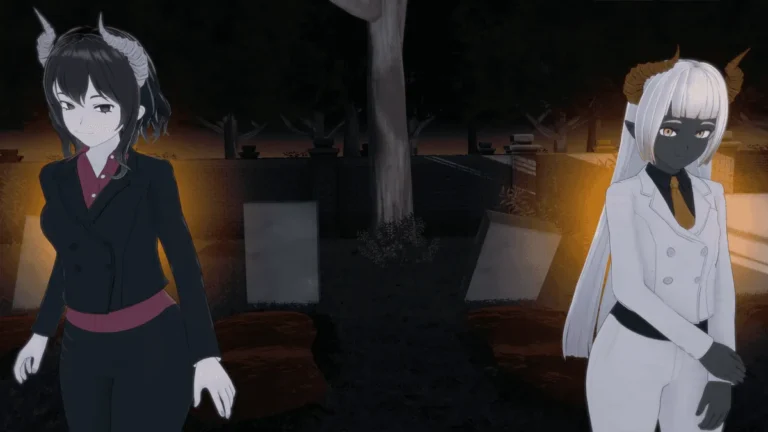
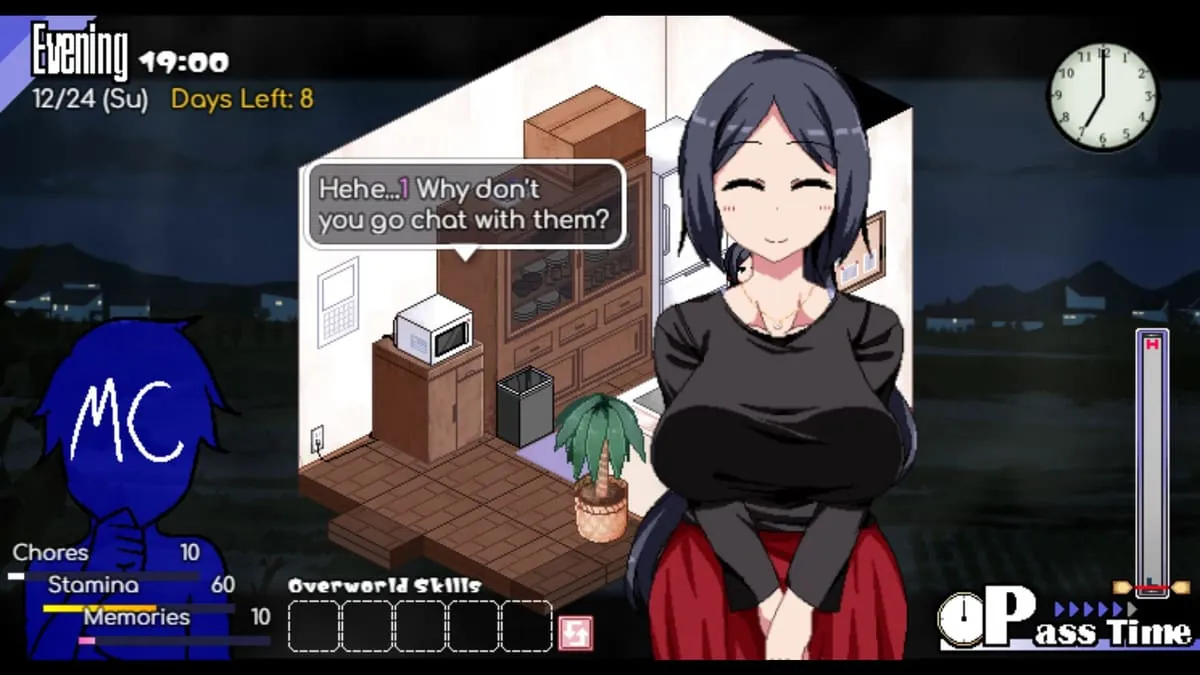
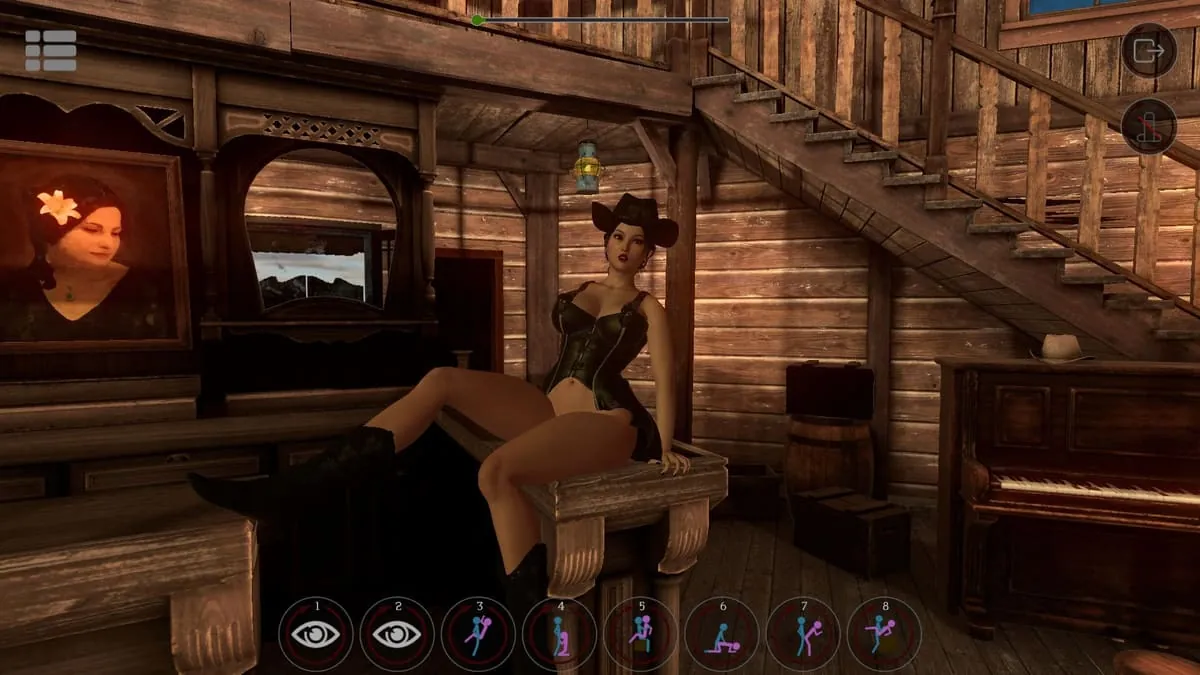
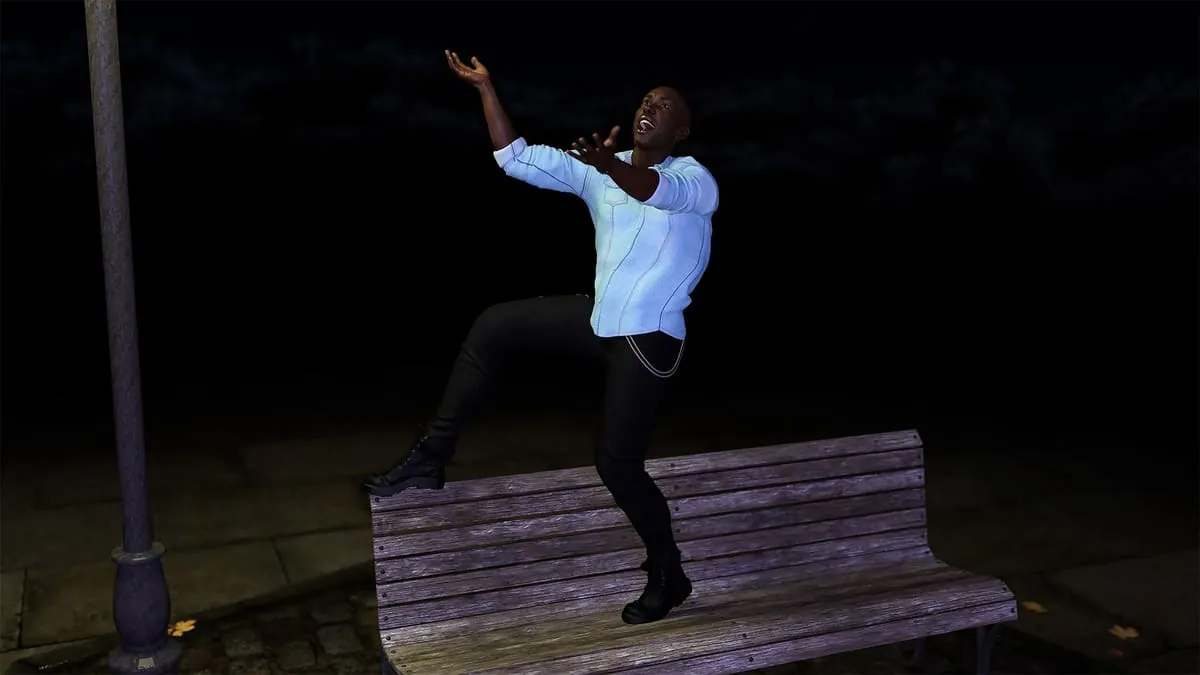
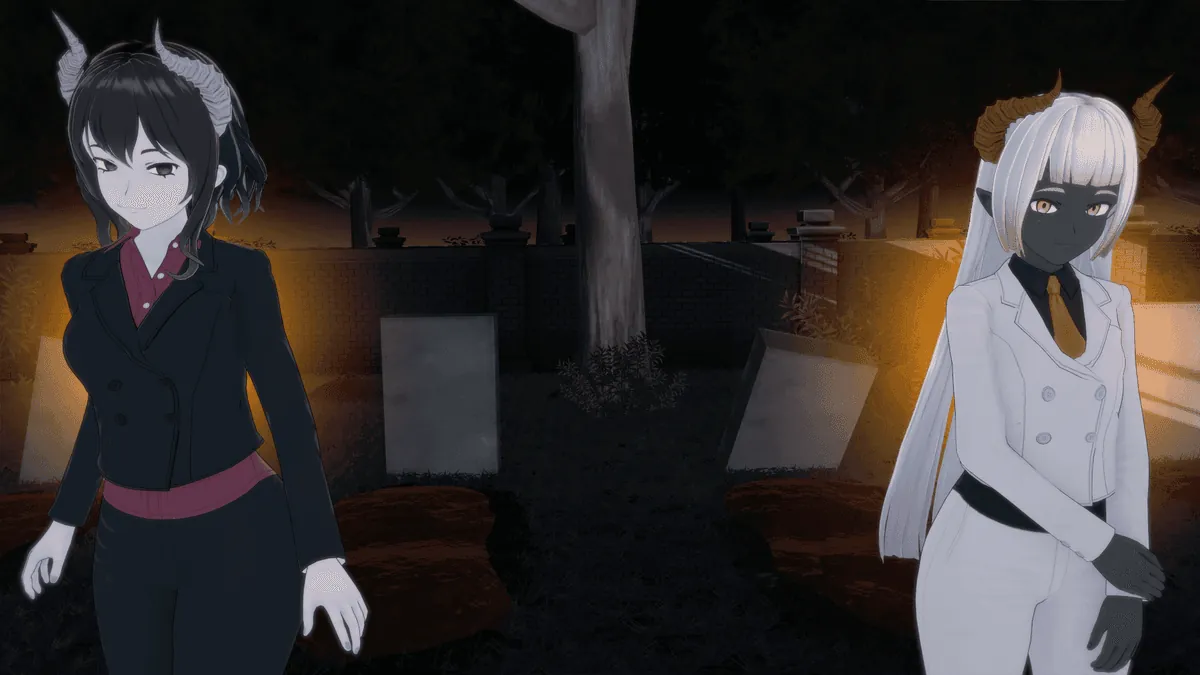
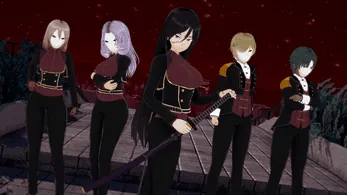
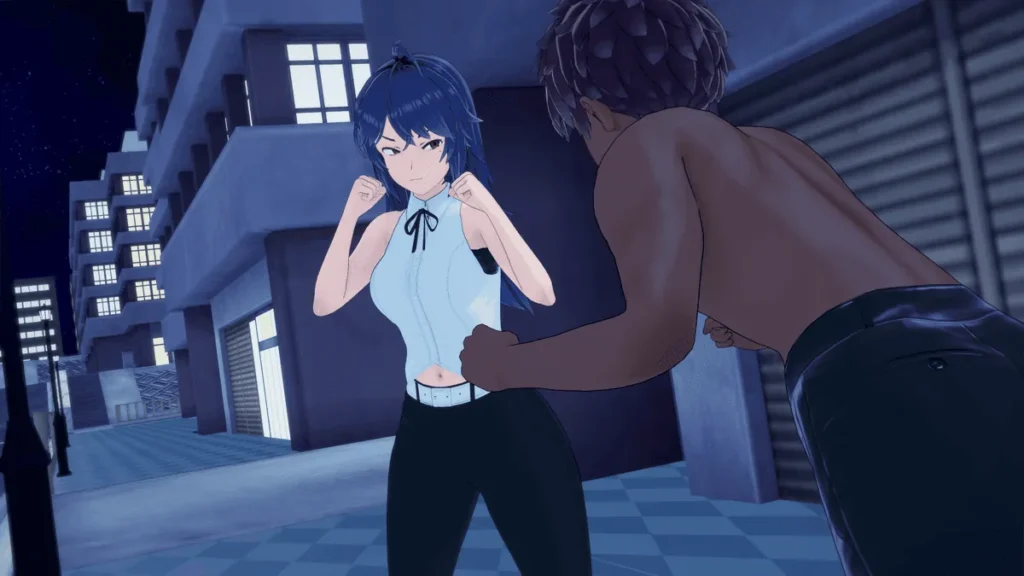
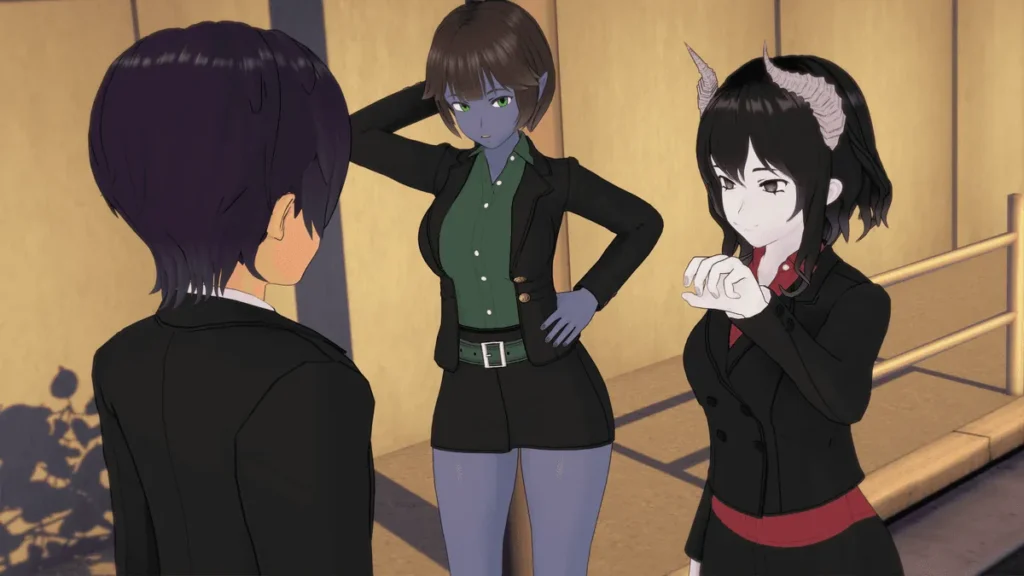
Demons of the Hearth Screenshots


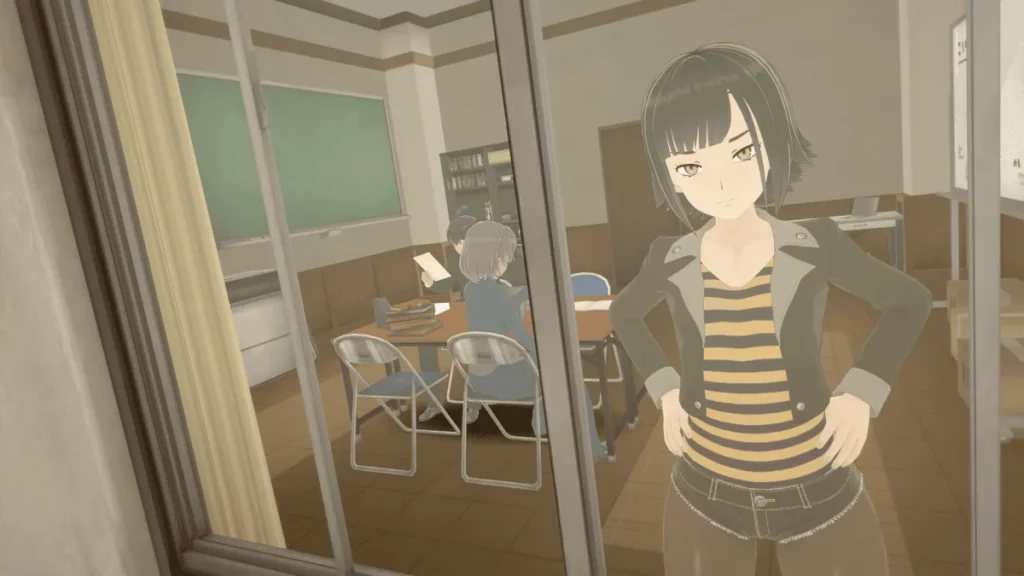



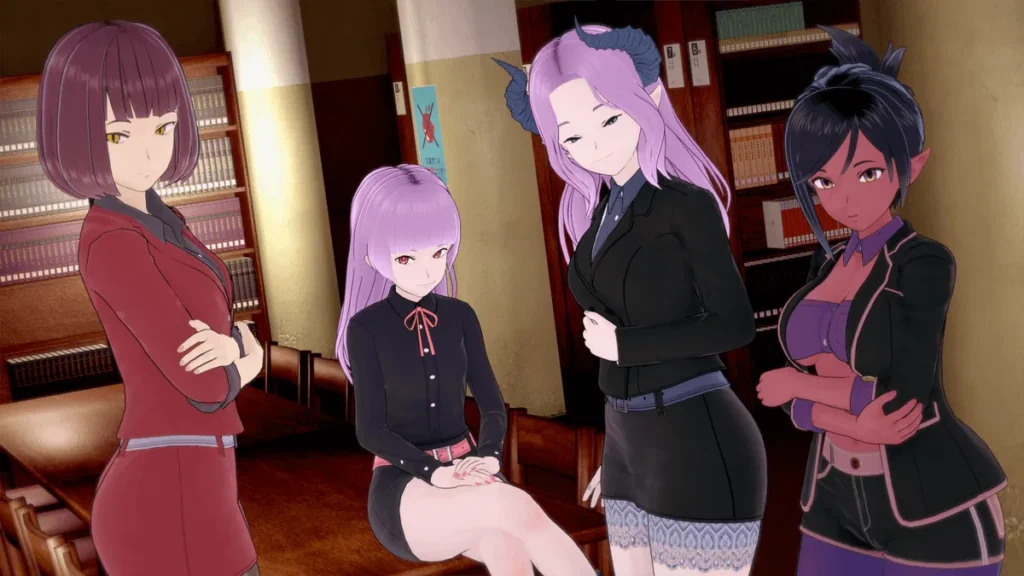
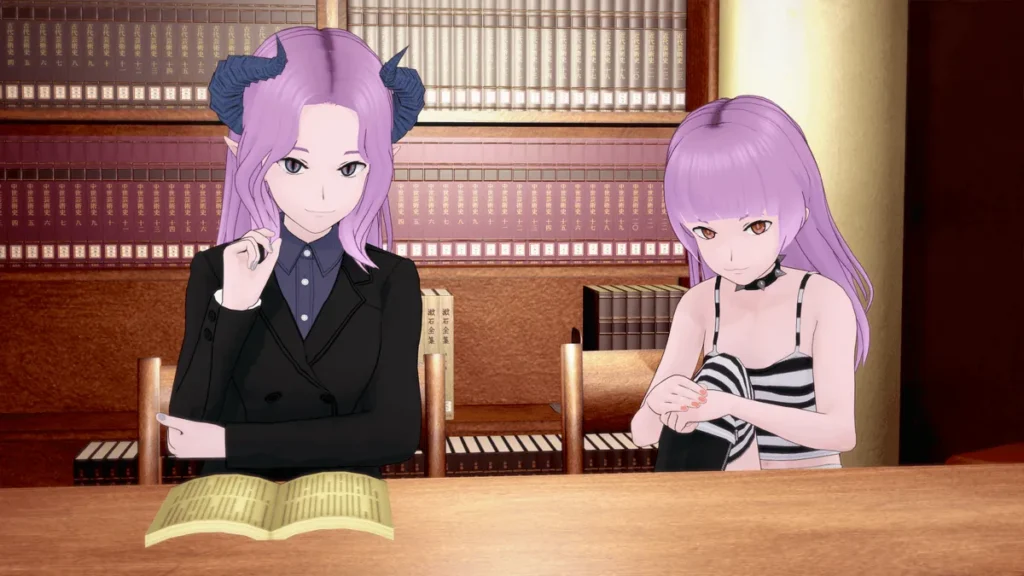
Demons of the Hearth review
Dive into Storytelling, Characters, and Intimate Gameplay
Ever stumbled upon a game that turns fixing up a rundown family home into an epic adventure packed with deep emotions, mysterious twists, and steamy encounters? That’s Demons of the Hearth for you—a visual novel by Konvel that hooked me from the first scene. I remember firing it up late one night, expecting just another quick play, but hours vanished as I rebuilt bonds and uncovered secrets. This interactive tale blends rich narrative with character-driven choices, trust-building mechanics, and adult scenes that feel earned. If you’re wondering about Demons of the Hearth gameplay, characters, or how to dive deeper, stick around—I’ve got the full scoop to enhance your experience.
What Makes Demons of the Hearth Gameplay So Addictive?
Let me tell you about the moment I got truly, irrevocably hooked. I was in my first playthrough of Demons of the Harth, carefully trying to be the perfect, agreeable partner to my chosen companion. I thought saying “yes” to everything was the fast track to their heart. Then, during a conversation about a painful memory, I chose the option to gently challenge their perspective, to suggest that maybe they weren’t to blame. I held my breath, waiting for the trust meter to plummet. Instead, I got this quiet, vulnerable scene later that evening where they thanked me for my honesty. The connection felt real, not just a checkbox ticked. That’s the magic of Demons of the Hearth gameplay—it’s not about winning, it’s about weaving a story where every choice has weight.
This experience is powered by the game’s brilliant core. Forget simple affection points; this is about building a dynamic, living narrative where your actions resonate. The addictiveness comes from a perfect storm of systems that respect your intelligence and reward emotional investment over grind.
How the Trust System Shapes Your Journey
At the absolute heart of everything is the trust system Demons of the Hearth. This isn’t a visible bar you fill with gifts or repetitive compliments. It’s an invisible, organic engine that governs every interaction. Think of it as the emotional climate of your relationship, changing with the weather of your Demons of the Hearth choices.
My early lesson was that trust isn’t built on blind agreement, but on authentic engagement. Sometimes, respectful disagreement or offering a different viewpoint during a tense moment builds a deeper, more resilient bond than just telling them what they want to hear. The system tracks the context and consistency of your actions. Are you supportive when they’re vulnerable? Do you respect their boundaries? Do your words match your later actions?
Crucially, this trust system Demons of the Hearth interacts with a layer of hidden stats Demons of the Hearth that define your protagonist’s emerging personality—traits like Empathy, Cunning, or Resilience. These aren’t numbers you allocate at the start; they’re shaped by your decisions. Choosing to calmly negotiate a threat might nudge Cunning, while offering comfort might boost Empathy. These hidden stats then open up or lock certain dialogue options and responses later, making your character’s growth feel uniquely yours. It’s why two playthroughs can feel so different!
This elegant design means events trigger organically. You won’t hit a wall that says “Reach Trust Level 5 to Unlock Scene.” Instead, by nurturing the relationship through meaningful choices, you’ll simply find that a new, intimate conversation unfolds naturally when you return to the hearth one evening. It removes the grinding feeling and makes every moment feel earned.
| Mechanic | Description | Tips for Success |
|---|---|---|
| Trust System | The invisible core that measures relationship depth based on authentic, consistent choices, not just agreement. Governs event triggers. | Engage sincerely with your companion’s thoughts. Respectful debate can be more powerful than constant approval. |
| Sandbox Navigation | The open-ended exploration of the game world where time passes and events trigger based on location and world state. | Check the main menu for narrative hints. Enter key locations multiple times. Pay attention to time of day and weather. |
| Side Quests | Emotional, character-driven storylines separate from the main plot that deepen lore and raise stakes. | Talk to everyone. Follow up on clues. These quests often have no map markers—rely on dialogue and investigation. |
| Intimate Unlocks | Scenes earned through narrative progression and trust, integrated into the story and influenced by player-choice dialogue. | Focus on the journey, not the destination. Explore all dialogue options in moments of closeness to express specific emotions. |
Navigating Side Quests and Sandbox Mode 🗺️
Here’s where the Demons of the Hearth gameplay truly opens up and can also confuse new players. The sandbox mode Demons of the Hearth gives you incredible freedom. Time passes from morning to night, you can explore various locations, and the world feels alive. But I’ll be honest—my first hour in sandbox mode was a bit frustrating. I was wandering, unsure of how to progress Demons of the Hearth main story. I felt stuck 😅.
The key is understanding that sandbox mode Demons of the Hearth is a reactive stage. Events and plot progression don’t happen on a rigid timeline; they fire based on specific conditions. The game won’t always hold your hand, so you need to become a detective of your own story. Here’s what I learned:
- The Main Menu is Your Friend 🤔: Seriously! Often, the main menu screen will update with a subtle line of text or a changed image that hints at what you should be focusing on or where you might investigate next.
- Mind the World State: The game has internal logic. For example, you can’t trigger an event about investigating a serial killer if no killings have occurred in your playthrough yet. The narrative builds causally.
- Location, Location, Location: Most events trigger simply by entering a relevant area at the right time. If you’re unsure what to do next, try revisiting key spots like the town square, the forest glade, or the local tavern at different times of day.
- Don’t Rush the Hearth During the Day ☀️: This is a classic rookie mistake. The hearth is for rest, reflection, and pivotal night-time scenes. Progressing the plot usually happens out in the world. Spending all day talking to your companion at home can leave you in a loop.
- Save Often and Experiment: This is the golden rule for how to progress Demons of the Hearth when stuck. Try a different choice, go to a different place, or let a few days pass in-game. The sandbox is designed for experimentation.
This is also where side quests Demons of the Hearth come into play, and they are not mere fetch quests. They are intense, emotional storylines that run parallel to your main relationship. I remember one involving a missing child in the village. It started with a simple rumor but led me through a web of suspicion, tense nocturnal investigations, and a heart-pounding confrontation in the rain-drenched woods. These side quests Demons of the Hearth ramp up the emotional tension and make the world feel dangerous and deeply consequential. They’re essential for full immersion.
Unlocking Intimate Scenes Through Choices ❤️
Let’s talk about the scenes everyone is curious about, and why they work so well here compared to other games. In Demons of the Hearth, intimate moments are not rewards; they are narrative climaxes. They feel integral because they are the direct result of the trust system Demons of the Hearth and your accumulated Demons of the Hearth choices.
The progression has seen great improvements. Earlier builds could feel a bit random, but now, the triggers are more clearly tied to key story beats and relationship milestones you reach through your actions. The future looks even more promising, with plans to weave in specific kinks and preferences that align with your companion’s evolving personality, making each playthrough uniquely tailored.
The real magic, though, happens in the dialogue. When a scene begins, you’re often given a series of Demons of the Hearth choices in how you interact and communicate. This is your chance to define the emotional tone. You can choose lines that are playful, passionate, deeply loving, or focused on comfort and relief. Want to express not just desire but devotion? The options are often there. This layer of choice ensures the scene is about your unique connection, not just a generic animation.
Pro Tip: During these moments, slow down. Explore all the dialogue branches. Choosing a specific, tender line can lead to a unique response or a small, unforgettable moment that makes the scene truly yours.
This is why the Demons of the Hearth gameplay stands out. There’s no grinding for points. Your growth is non-linear and story-driven. The hidden stats Demons of the Hearth work in the background, making your character feel coherent. The sandbox mode Demons of the Hearth demands your engagement with the world. The side quests Demons of the Hearth raise the stakes and flesh out the lore.
To maximize your enjoyment, start by letting go of the “goal-oriented” gaming mindset. Talk to everyone. Be curious. Make choices that feel true to the story you want to see, not the one you think you should play. Save before big decisions and don’t be afraid to rewind to see how a different path unfolds—the Demons of the Hearth gameplay is incredibly rewarding on repeat playthroughs. Most importantly, engage with the story and your companion sincerely. That’s where the real, addictive magic of Demons of the Hearth is found.
Demons of the Hearth isn’t just a game—it’s an emotional rollercoaster of rebuilding a home, forging messy relationships, and unraveling mysteries that linger long after you close it. From the trust system’s nuance to side quests that had my pulse racing, and those intimate moments that evolve with your choices, it’s a standout in interactive storytelling. My first playthrough changed how I approach visual novels, prioritizing depth over flash. Ready to step into this world? Download it now, experiment with paths, and share your wildest discoveries in the comments—I’d love to hear which character stole your heart.