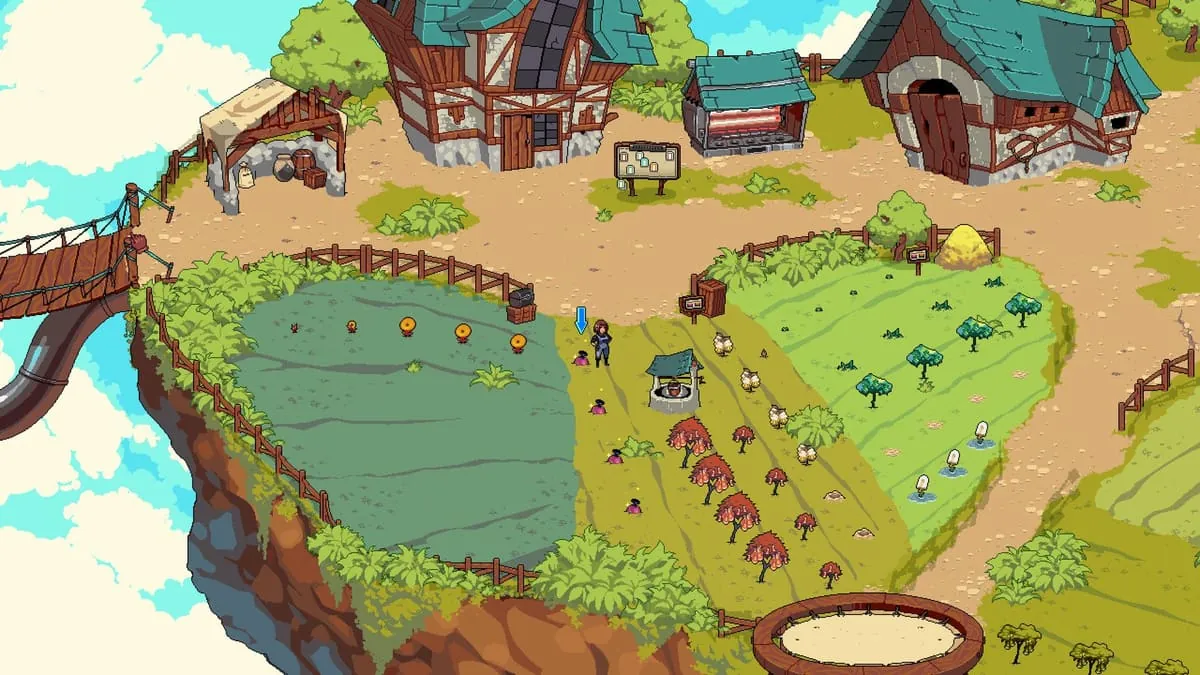
Inner Growth
Play Inner Growth
Inner Growth Screenshots
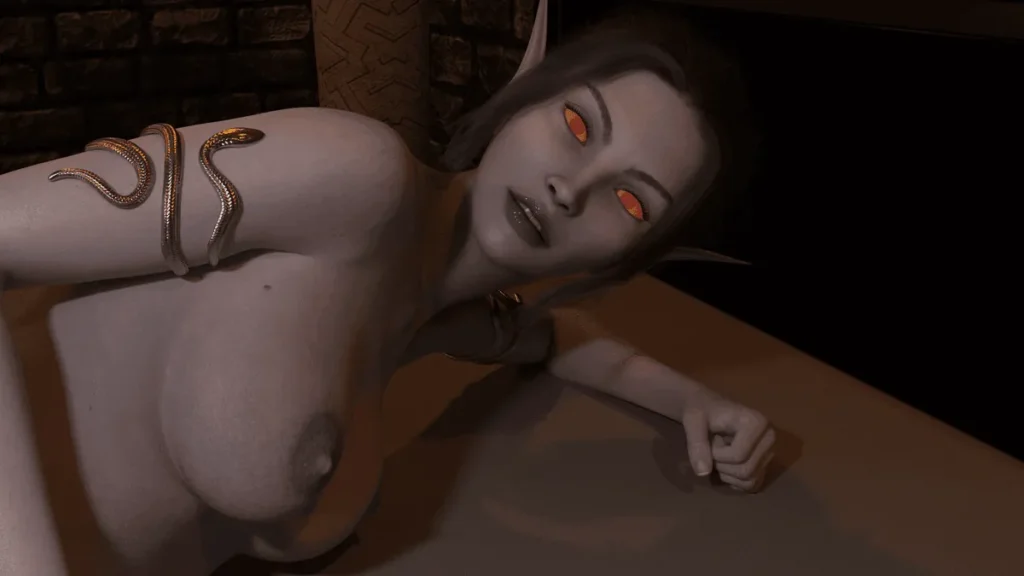




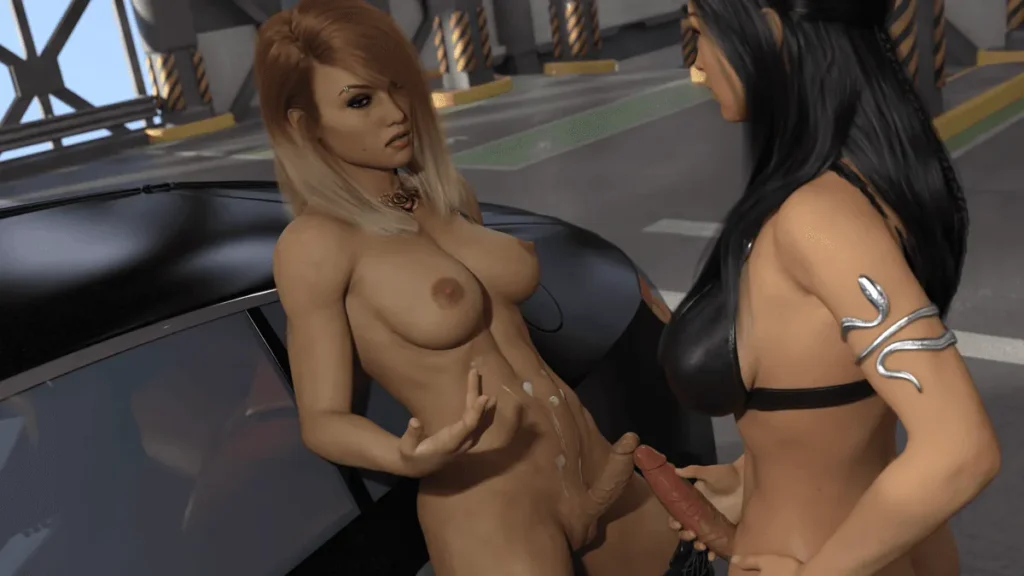
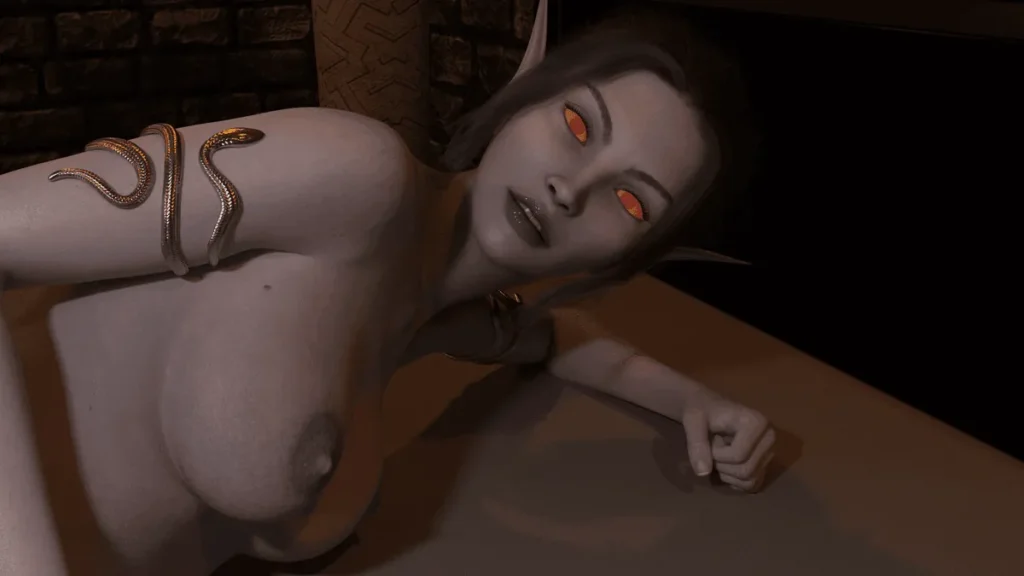
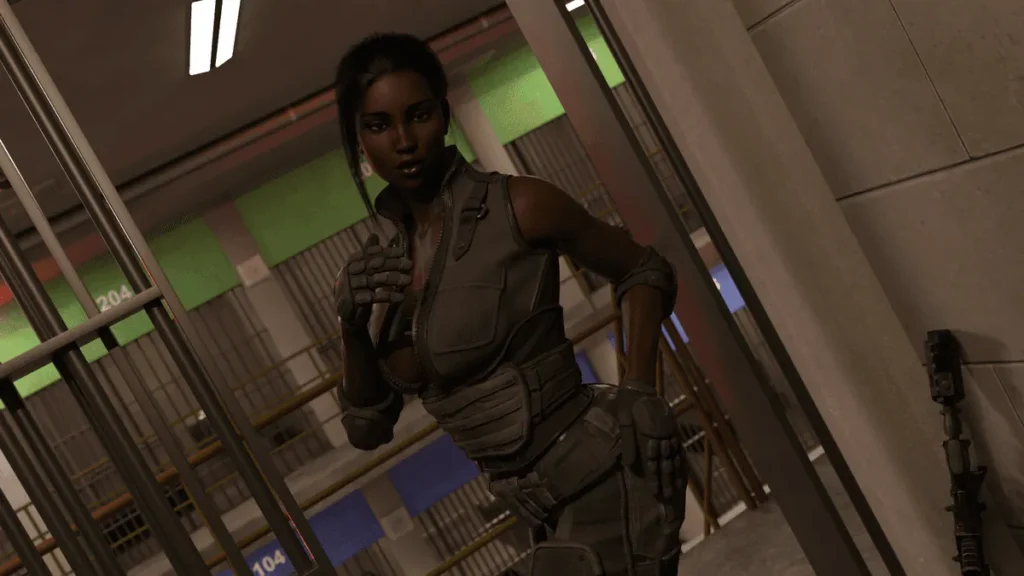


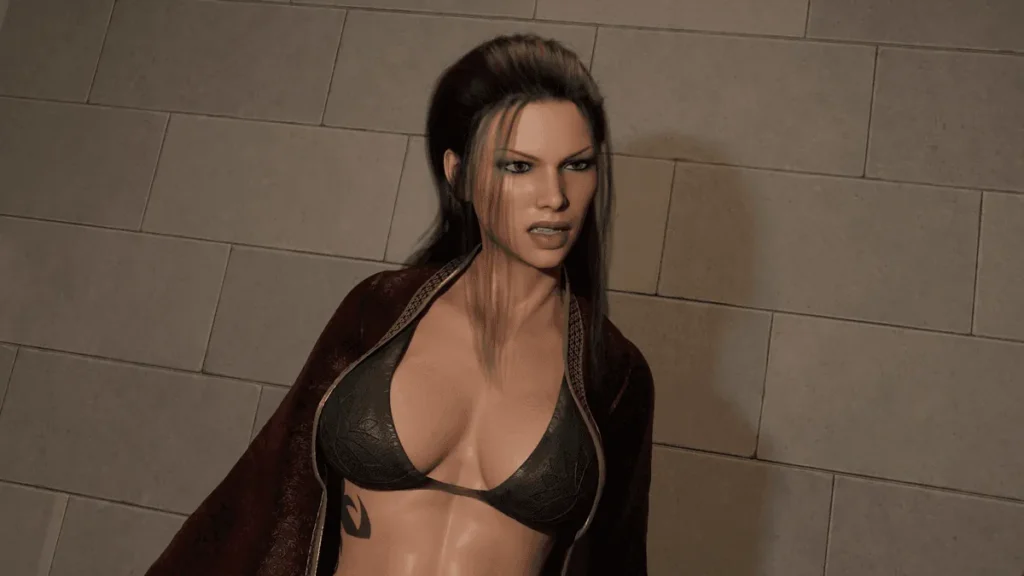


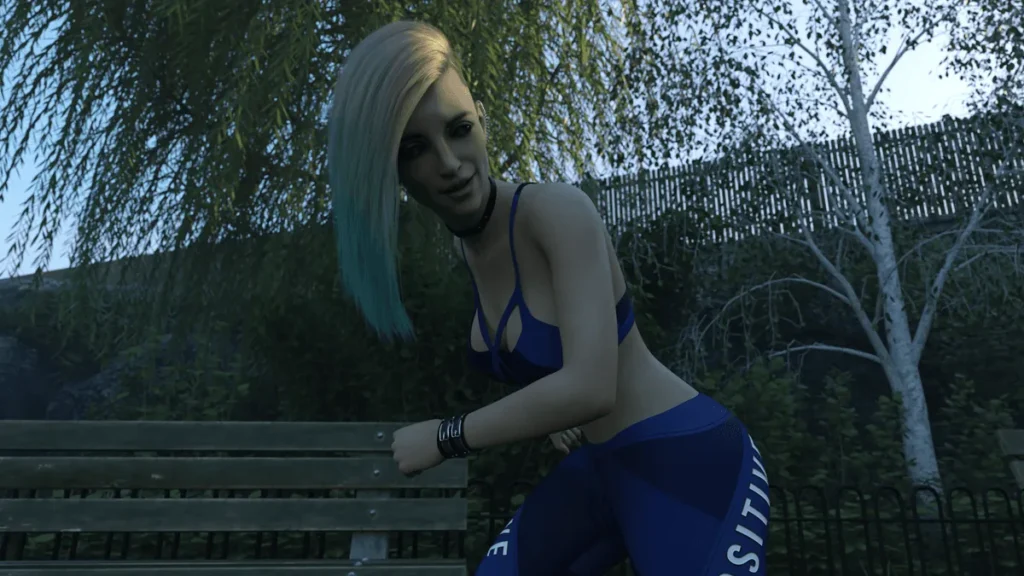
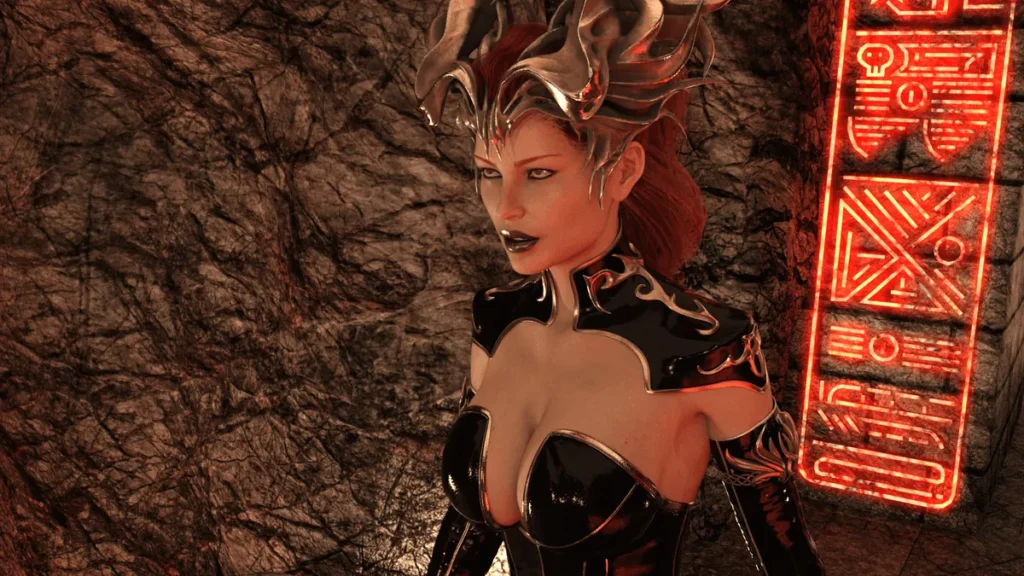
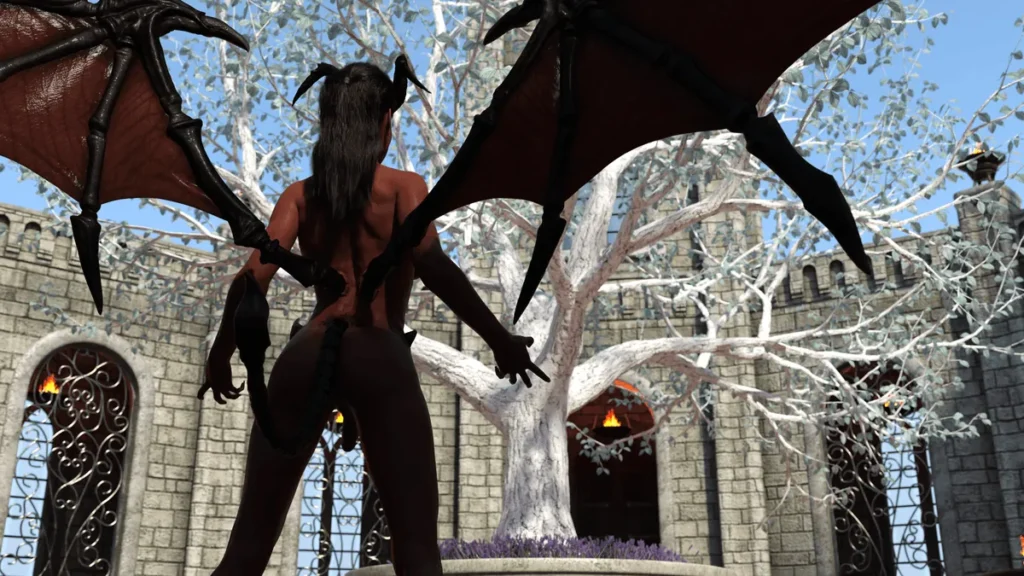

Inner Growth review
Discover Thalna’s Journey from Underworld Spoiled Princess to Human Realm Explorer
Imagine stepping into the shoes of Thalna, the bold underworld princess with a secret that changes everything—welcome to Inner Growth, the captivating visual novel where your choices spark profound personal evolution amid steamy encounters. Developed by Morally Purple, this game blends fantasy storytelling with intimate decision-driven narratives, forcing Thalna from her demonic home into the unpredictable human world. I’ve lost count of the nights I spent replaying scenes, watching how one vulnerable confession reshaped entire relationships. If you’re craving a porn game that goes beyond surface-level thrills to explore self-discovery through branching paths, Inner Growth delivers. Let’s dive into what makes this title a standout in adult gaming.
What Makes Inner Growth’s Storyline Uniquely Compelling?
I have a confession to make: I almost quit playing Inner Growth in the first hour. 🙈 Thalna, the so-called protagonist, was just so… insufferable. Here she was, stomping around the underworld palace, demanding her demonic servants fetch her another goblet of void-essence wine while complaining about the “peasantry” of eternal damnation. I rolled my eyes, thinking, “Great, another spoiled royal brat narrative.” But then, the first real inner growth plot twist hit. It wasn’t just about her attitude; it was about her secret. As the hidden futa daughter of the Underworld Queen, her very existence was a political time bomb, a fact that hurled her headfirst into the game’s brilliant decision driven narrative inner growth.
That moment changed everything for me. Thalna wasn’t just a trope—she was a powder keg of privilege, power, and profound vulnerability, and her journey became utterly magnetic.
Who Is Thalna and Why Her Journey Hooks You Immediately
Thalna is the masterstroke of the inner growth storyline. She begins as the ultimate underworld princess: entitled, cynical, and wielding a dangerous inheritance of demonic power she doesn’t fully understand. Her “futa” nature isn’t just a character trait; it’s the core of her conflict, representing a duality she’s been forced to hide—a symbol of both her unique strength and her perceived monstrousness in the rigid hierarchies of hell.
“We wanted Thalna’s intimacies, her relationships, to feel earned. It’s not just about romance; it’s emotional labor. The player, through choices, helps her build the trust and self-awareness required to connect genuinely,” shared one of the game’s lead narrative designers.
This is what makes Thalna inner growth so compelling from the start. You’re not guiding a blank slate hero. You’re managing a deeply flawed, arrogant, yet secretly terrified young woman. The hook is the thrilling challenge: can this person change? Can she unlearn a lifetime of toxic superiority and fear? Your decisions are the tool for that excavation, making every choice feel weighty and personal. The futa protagonist inner growth is handled with surprising nuance, tying her physical self-discovery directly to her emotional and moral awakening.
How Underworld to Human Realm Transition Drives the Plot
The engine of the inner growth storyline is Thalna’s forced exile. When a celestial conflict spills over (thanks to those meddling angels and their “voids”), Thalna is banished to the human realm—not as a conquering princess, but stripped of her titles and most of her power. 🌀➡️🌍
This is where the game’s genius shines. Suddenly, the being who viewed humans as amusing insects must become one. She has to get a job. She has to navigate subway systems and understand currency. She experiences confusion, fear, and for the first time, insignificance. This brutal culture shock is the ultimate catalyst for Thalna inner growth.
Every mundane human challenge is a mirror held up to her old worldview. A rude barista isn’t a servant to be disintegrated; he’s a person having a bad day. This shift from dark, whimsical underworld politics to the heartfelt, often awkward drama of human connection is the soul of the game. The underworld princess game premise expertly sets up this perfect fall from grace, making her potential rise as a better, integrated individual incredibly satisfying to guide.
Question: Can Choices in Inner Growth Truly Change Your Destiny?
Absolutely, and this is where Inner Growth sets a new bar. This isn’t an illusion of choice. The decision driven narrative inner growth system creates tangible, branching paths that affect everything from allies and enemies to the game’s ending and the very nature of Thalna’s powers.
Let me give you a case study from my two playthroughs:
* Playthrough 1 (The “Domination” Path): I leaned into Thalna’s demonic heritage. When threatened by a human gang early on, I used my returning powers to intimidate and brutalize them. This unlocked aggressive dialogue options, altered quests to focus on seizing control of the city’s occult underbelly, and ultimately led to a ending where Thalna became a new kind of overlord—feared, powerful, but profoundly alone. Her futa protagonist inner growth here was about embracing monstrousness as strength.
* Playthrough 2 (The “Empathy” Path): I chose to be defensive, not offensive. With that same gang, I tried to talk, then fled. This opened storylines with characters who valued discretion and compassion. I helped humans with their problems without demanding reward. This path softened Thalna, leading her to use her unique nature to protect others, forging deep, trusting relationships. The finale was bittersweet but centered on community and self-acceptance.
The choices aren’t just “good vs. evil.” They’re moral choices in a fantasy game that ask: Do you double down on what you were taught to be, or strive for what you choose to become? Will you use your difference to dominate or to connect?
| Your Core Choice Direction | Story Branch Focus | Key Relationship Outcome |
|---|---|---|
| Embrace Demon Heritage | Power consolidation, occult politics, domination | Alliances based on fear/respect; romantic options are competitive or submissive. |
| Navigate with Caution & Empathy | Community building, protecting the vulnerable, understanding | Friendships and romance built on earned trust and mutual vulnerability. |
| Balance Both Worlds (Hardest Path) | Integration of power & morality, becoming a bridge between realms | Complex relationships that may involve sacrifice; the most nuanced ending. |
My actionable advice for starting your game? Don’t try to play “perfectly.” 🎮 Go with your gut reaction in the first few hours. Are you instinctively protecting Thalna’s ego, or are you challenging it? That initial instinct will lead you to a coherent and powerful story arc. On your second playthrough, you can consciously pivot to explore how different choices reshape the entire inner growth storyline. The replay value is staggering because Thalna feels like a different person shaped by your guidance.
The themes of power dynamics, sexual awakening, and morality are braided together seamlessly. Thalna’s journey from a sheltered princess to a self-made individual—whether that individual is a ruler, a guardian, or something in between—is the heart of the experience. It’s a masterclass in using a decision driven narrative to explore inner growth in a way that feels both epic and intimately personal.
To see just how deep the branches go, here are some of the key narrative forks you can encounter:
* The First Real Fight: Do you unleash your demonic fury to crush a threat, or do you suppress it and seek a non-violent solution? This early choice directs your core ability unlocks and which mentor figure finds you first.
* The Revelation of Heritage: When the truth of your parentage becomes a public crisis, do you weaponize it for political gain, deny it in shame, or openly accept it as part of your complex identity? This defines the mid-game’s primary conflict.
* The Angelic Pact: A tempting offer for celestial power emerges. Do you reject all demonic ties, fuse the opposing powers at great personal risk, or refuse the pact entirely to walk your own path? This leads to three radically different final acts.
* The Intimate Connection: In a key relationship moment, is your focus on physical dominance, emotional surrender, or a vulnerable sharing of true selves? This doesn’t just define the relationship; it alters cutscenes, dialogue, and that character’s role in the endgame.
Inner Growth isn’t just another adult visual novel—it’s a mirror reflecting your own choices through Thalna’s transformative path from underworld royalty to a figure of real self-awareness. We’ve explored her compelling backstory, the weight of every decision, and how intimate moments fuel genuine evolution, all wrapped in Morally Purple’s masterful branching narratives. My own playthroughs taught me that vulnerability often leads to the richest rewards. Ready to shape Thalna’s fate? Download the latest version today, experiment with bold paths, and uncover layers you never expected. Your journey awaits—dive in and grow with her.