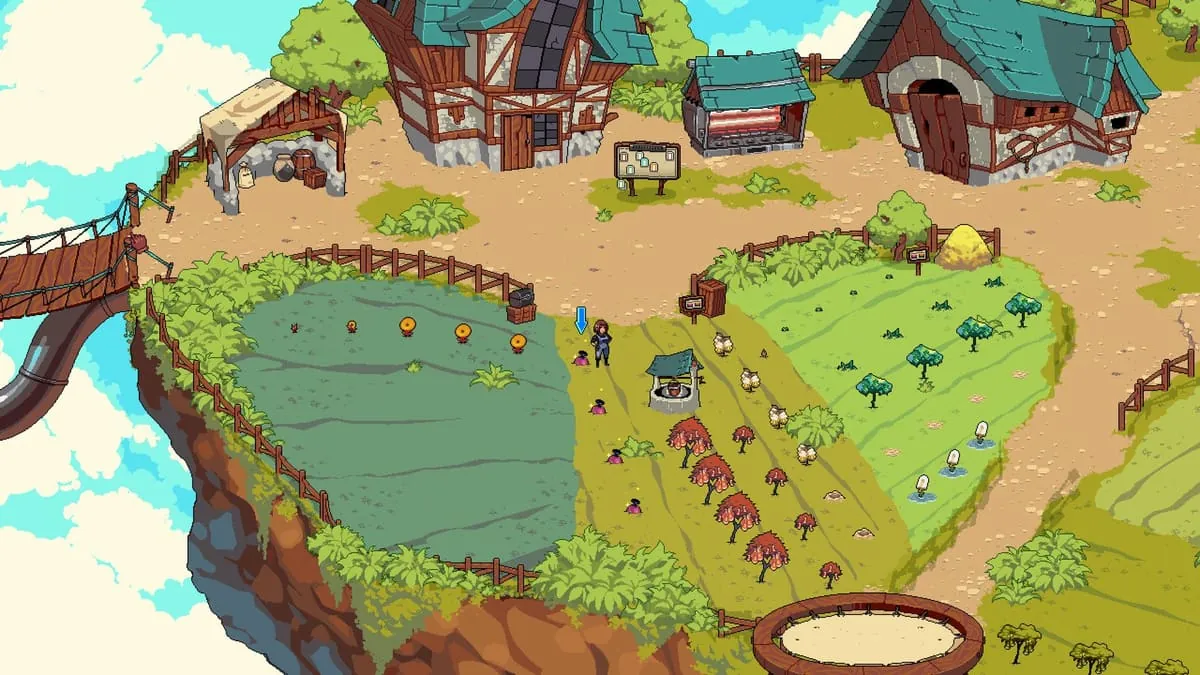
Tales of Unity
Play Tales of Unity
Tales of Unity Screenshots
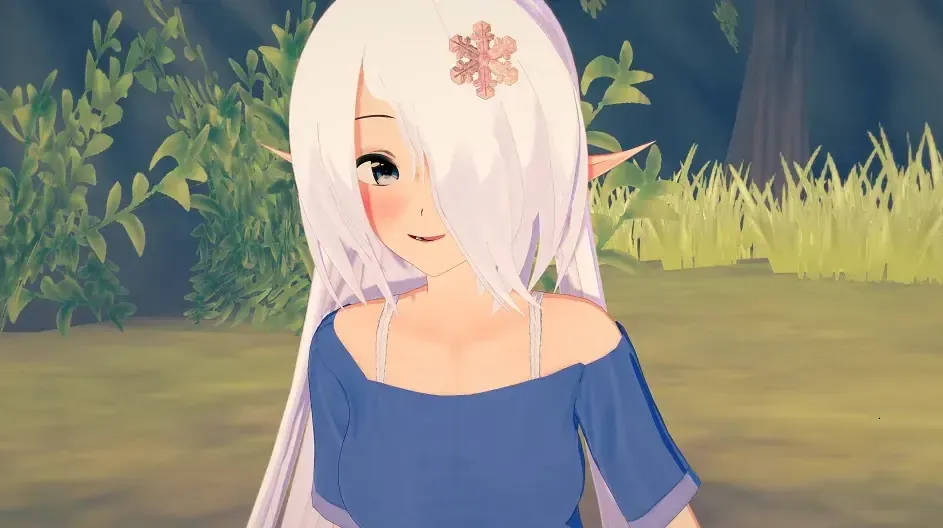
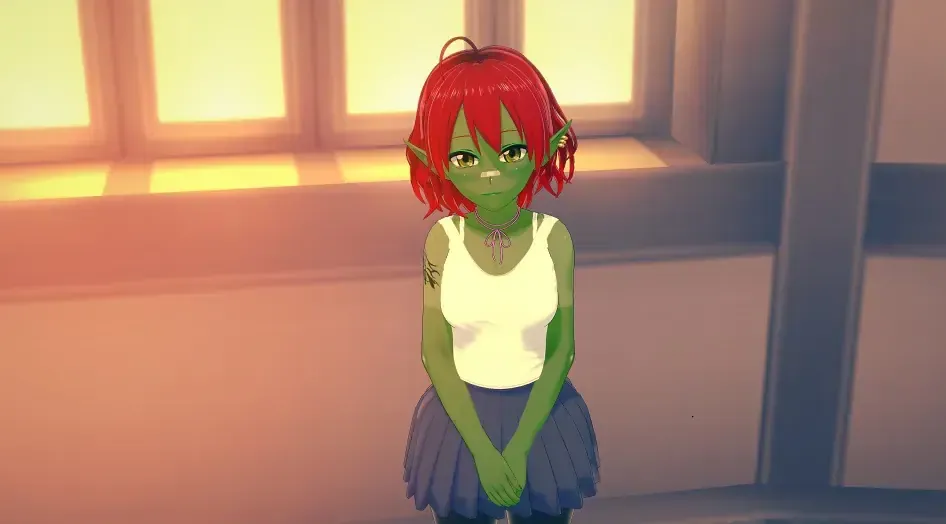
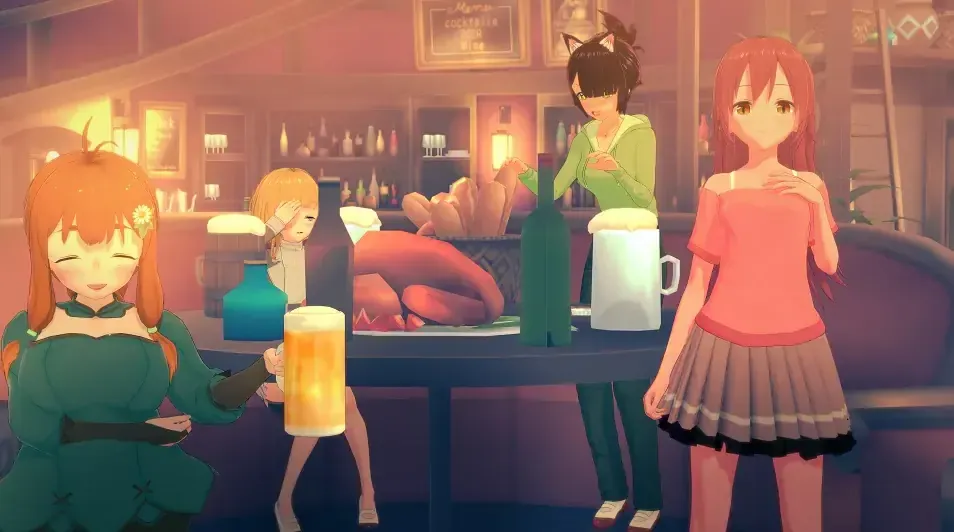
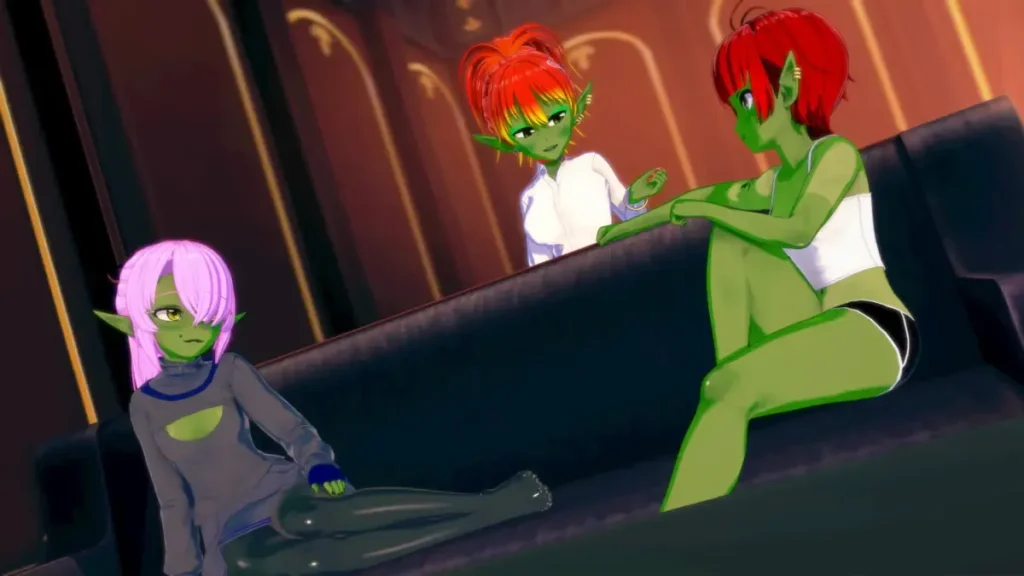
Tales of Unity review
Exploring the Story, Gameplay, and Unique Features of Tales of Unity
Tales of Unity is a distinctive interactive experience that blends storytelling with immersive gameplay. This article dives into what makes Tales of Unity stand out, exploring its narrative depth, gameplay elements, and the unique approach it takes within its category. Whether you’re curious about the story, the characters, or how the game plays, this guide will provide a comprehensive understanding of Tales of Unity.
Exploring the Story and Characters of Tales of Unity
Let me tell you a secret: I’m a sucker for a good story. 🎭 I’ve played hundreds of games where I’ve saved worlds, but only a handful where the journey actually saved me from a bad day. That’s the magic I found in Tales of Unity. It’s not just a game you play; it’s a world you feel, anchored by a profound Tales of Unity story and characters who become digital friends.
This chapter is for everyone who believes games can be more than just fun—they can be moving, thought-provoking, and unforgettable. We’re going to peel back the layers of this narrative masterpiece, meet the souls that inhabit it, and discover how its interactive storytelling pulled me in and never let go.
### What is the narrative of Tales of Unity?
At its heart, the Tales of Unity story is a delicate exploration of connection in a broken world. You don’t play as a destined hero crowned by prophecy; you are Aris, a young Cartographer in the fractured realm of Elythia. Your job isn’t to conquer, but to understand—to map the physical and emotional chasms that have torn the land apart after a cataclysmic event known as the “Sundering.”
The plot is a masterclass in narrative depth in games. It cleverly uses your core mechanic—cartography—as a direct metaphor for the journey. As you chart unknown territories, you’re also piecing together the lost history and mending relationships between feuding factions. The central theme isn’t about power, but about empathy and reconciliation. Each new area you unlock reveals another fragment of the tragedy, not through lengthy cutscenes, but through environmental clues, half-ruined journals, and the bittersweet memories of those you meet.
I remember one evening, mapping a forgotten forest glade. The game didn’t flash a big “QUEST COMPLETE” banner. Instead, as I filled in the last contour on my map, a short, wordless cutscene played. Two spectral figures—echoes of lovers lost in the Sundering—briefly appeared, held hands, and faded peacefully. The game trusted me to understand the emotional weight of that moment myself. That’s the power of its story-driven gameplay; the narrative isn’t handed to you, it’s earned through your actions and attention. This approach creates one of the most emotional game stories I’ve experienced, because you are an active participant in the healing, not just a spectator.
### Who are the main characters?
The soul of this journey lies in its Tales of Unity characters. They are flawed, nuanced, and grow alongside you. The game character development is organic, tied directly to your choices and how you choose to engage with them during your travels.
Here’s a closer look at the core companions who shape Aris’s journey:
| Character | Role & Background | Key Motivations |
|---|---|---|
| Aris (You) | A novice Cartographer from the isolated Archive. Your tools are a map and a compassionate heart. | To complete the first unified map in a century, driven by a desire to understand the world rather than change it by force. |
| Kaelen | A weary, veteran soldier from the militaristic Stoneward clan, secretly haunted by his past failures during the Sundering. | To find redemption by protecting the new hope Aris represents, battling his instinct for conflict versus the path of peace. |
| Elara | A spirited herbalist from the nomadic Weald-folk, who communicates with the land’s fading spirit. | To heal the blighted areas of Elythia and bridge the misunderstanding between her people and the “stone-dwellers.” |
| Rhin | A mysterious, ancient construct (a golem-like being) who has been awake since before the Sundering, carrying fragmented memories of the old world. | To piece together its own lost purpose and identity, acting as a living, somber history book of the world’s tragedy. |
The beauty isn’t just in who they are individually, but in how they interact. Kaelen’s gruff pragmatism constantly bumps against Elara’s idealistic nature, and your dialogue choices can either fan those flames or help them find common ground. I found myself genuinely caring about their squabbles and triumphs. In one pivotal campfire scene, a choice I made led Elara to share a painful memory about her family. It didn’t advance the main plot, but it deepened our bond, unlocking new interactive storytelling options later. This makes the Tales of Unity characters feel alive, because their development is a direct result of the relationship you build with them.
### How does storytelling enhance player engagement?
This is where Tales of Unity truly shines. Its story-driven gameplay is not a separate layer from the action; it is the core mechanic. The game employs several brilliant techniques that transform you from a player into a participant.
First, your map is your diary and your quest log. Every note you add, every landmark you name, is a permanent part of your journey. I named a particularly treacherous pass “Kaelen’s Resolve” after he saved the party there, and seeing that name every time I opened the map was a small, personal story beat. This is interactive storytelling at its most seamless.
Second, the game uses a “Bond” system that goes beyond simple friendship meters. Your choices in dialogue and conflict resolution don’t just affect Aris’s relationship with a companion; they affect how those companions view each other. You might mediate a tense standoff, and later find Kaelen and Elara having a civil conversation without you. The world and its people exist outside of your direct input, making the narrative ecosystem feel authentic and deeply engaging.
The most powerful stories are the ones we help tell. In Tales of Unity, you are the author of your relationships, and that authorship makes every emotional payoff feel deserved.
Example of a key story moment that highlights character development and emotional impact:
Late in the game, you must navigate the “Chamber of Echoes,” a place that physically manifests the regrets of those who enter. Here, the game’s emotional game stories peak. You don’t just watch flashbacks; you walk through them. You see the world through Kaelen’s eyes during his greatest failure, feel the confusion and pain of Rhin’s first awakening, and experience Elara’s childhood memory of the land dying.
For Kaelen’s sequence, I was controlling him in the past, forced to re-live his impossible choice. It wasn’t a cutscene; it was a playable, heartbreaking moment of powerlessness. After we all emerged, shaken, the group didn’t immediately rally. They were quiet at the next campsite. The usual banter was gone, replaced by subdued dialogue options focused on support and understanding. The game character development was palpable. They weren’t just allies anymore; we were a crew that had seen each other’s deepest wounds. This moment of shared vulnerability, earned through hours of gameplay, created a stronger connection than any epic boss battle ever could.
This is the genius of Tales of Unity. It understands that narrative depth in games comes from making the player complicit in the emotional journey. It asks for your empathy, not just your reflexes, and in return, gives you a story that sticks with you long after the final map is drawn. The Tales of Unity story and its unforgettable characters prove that the most compelling quests are those that map the human (and not-so-human) heart. 🗺️💖
Tales of Unity offers a compelling blend of narrative and gameplay that captivates players through its well-crafted story and memorable characters. Its unique approach to storytelling sets it apart and provides a rich experience for those seeking more than just gameplay mechanics. If you’re interested in immersive stories and engaging characters, Tales of Unity is definitely worth exploring.