
The Theater of Sinners
Play The Theater of Sinners
The Theater of Sinners Screenshots

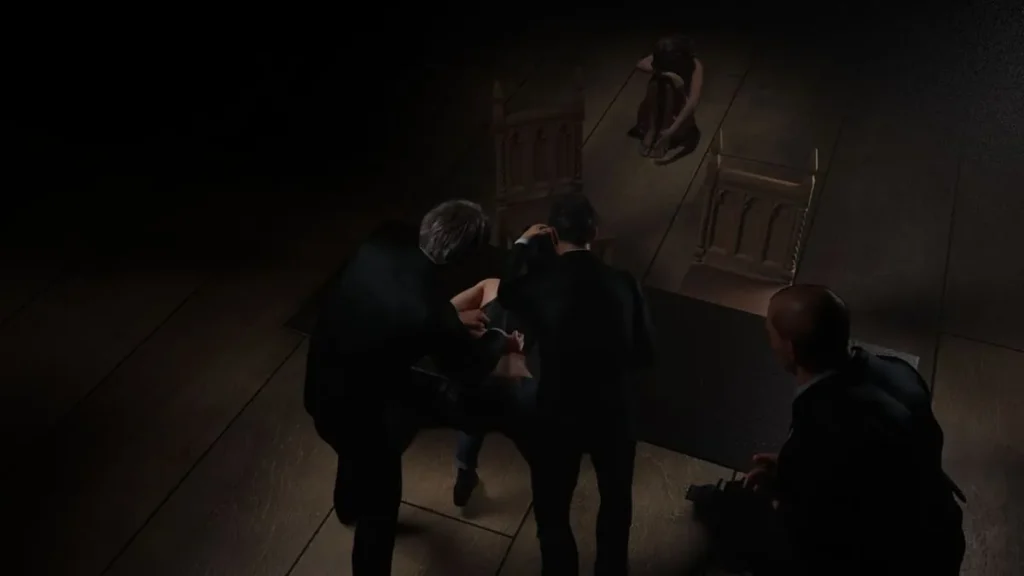
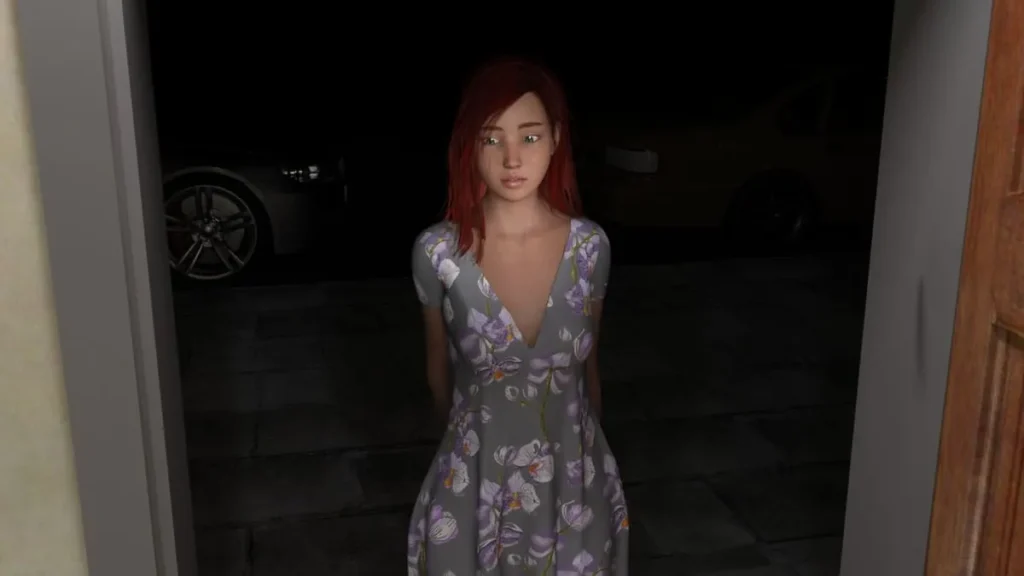



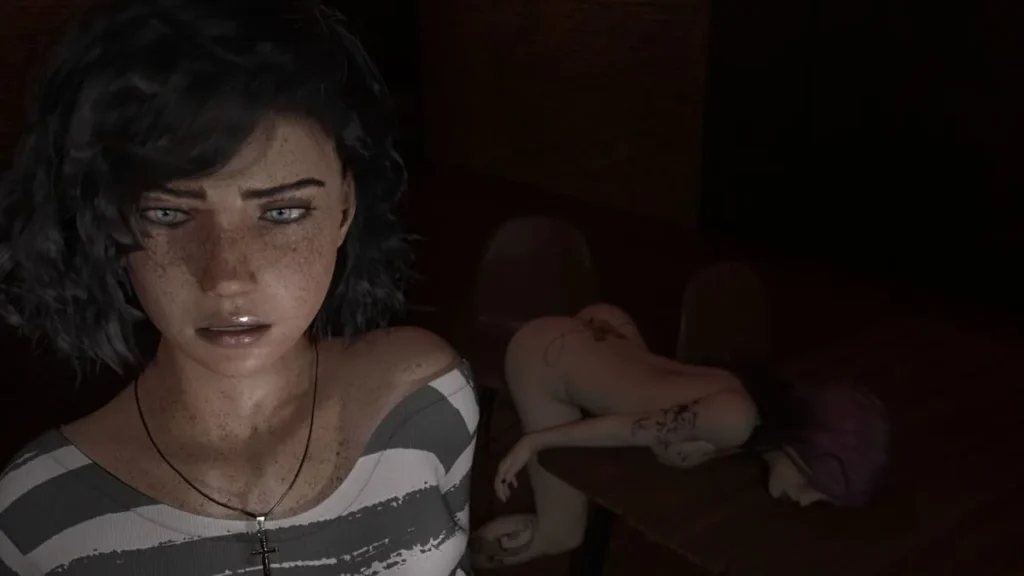








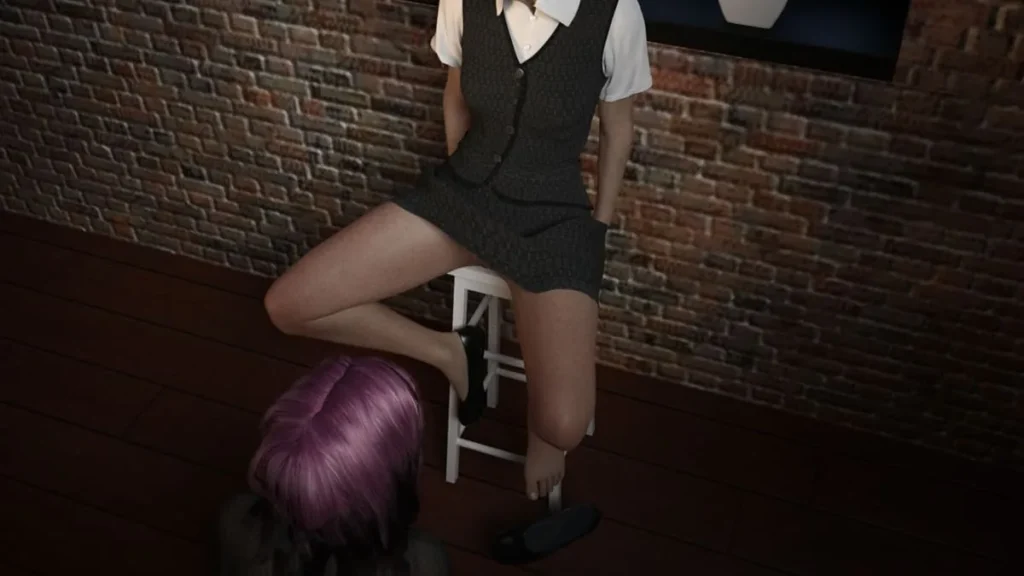

The Theater of Sinners review
Explore gameplay mechanics, character development, and narrative choices in this interactive experience
The Theater of Sinners stands out as a unique interactive narrative experience that combines character-driven storytelling with player agency. This guide explores the core mechanics, character interactions, and decision-making systems that define the game. Whether you’re new to the experience or looking to deepen your understanding of its systems, this comprehensive overview covers everything you need to know about navigating the game’s world, understanding character dynamics, and maximizing your engagement with its branching narrative structure.
Understanding The Theater of Sinners Gameplay Experience
Welcome to the grand, crumbling opera house of your own making. 😱 The Theater of Sinners isn’t just a game you play; it’s a story you live, breathe, and often, desperately try to steer away from catastrophe. If you’re coming from more traditional games, forget everything you know about linear progression. Here, your every word is a brick in the path, and your every silence can be a chasm. My first hour with the game was a masterclass in humble pie—I thought I could charm my way through, only to have a key character storm out on me because I chose a joke at the worst possible moment. That’s the magic and the menace of this experience.
This chapter is your backstage pass. We’re pulling back the velvet curtain on the interactive narrative game mechanics that make this world tick. We’ll explore the delicate dance of its character relationship system, decode the dialogue choices and consequences that await you, and map the labyrinth of branching storyline decisions. Consider this your essential guide on how to play The Theater of Sinners and truly understand the profound narrative choice impact your presence creates.
Core Mechanics and Player Interaction Systems 🎭
At its heart, The Theater of Sinners gameplay is an exercise in focused attention and intentionality. You won’t find complex combat combos or intricate crafting menus here. Instead, the primary interface is conversation, and your currency is trust. The game presents itself as a series of acts and scenes, unfolding within the hauntingly beautiful, dilapidated theater that serves as the central hub and metaphor for the story’s tangled lives.
The core loop is deceptively simple: you explore, you talk, and you choose. But beneath that simplicity lies a dense network of cause and effect. Exploration is often limited to key areas within the theater—the dusty main stage, the shadow-draped dressing rooms, the secluded rooftop. These spaces aren’t just for ambiance; they’re stages for private conversations and finding hidden objects (old letters, a broken locket, a forgotten script) that can unlock new dialogue options or reshape your understanding of a person.
Here’s a quick checklist of the essential interactive narrative game mechanics you need to master:
- The Dialogue Wheel: Your main tool. Options are often timed, creating pressure that mirrors real social anxiety.
- The Insight System: Pay attention! Key details about a character’s body language or word choice are subtly highlighted. Remembering these can unlock special, insightful dialogue paths later.
- The Relationship Ledger: Accessible from the menu, this is your behind-the-scenes scorecard. It doesn’t use numbers, but descriptive phrases like “Wary Ally” or “Bitter Rival” that evolve based on your dialogue choices and consequences.
- The “Memory” Inventory: Collectible items and documents you find are stored here. They are not just lore; they are literal keys to new conversations.
- The Pacing Rhythm: The game expertly alternates between tense, one-on-one dialogues and larger ensemble scenes where managing group dynamics becomes key.
The most crucial thing to internalize? There is no “right” playthrough. The game systems are designed to support your role-play, whether you want to be a compassionate mediator, a cunning manipulator, or a chaotic force. I learned this the hard way. In my second run, I decided to play as aloof and sarcastic. The The Theater of Sinners gameplay adapted seamlessly, closing off heartfelt options but opening up paths of cynical alliance I never knew existed. The systems don’t judge your morality; they just faithfully record it and adjust the world accordingly.
Character Relationships and Dialogue Trees 💔
If the narrative is the script, then the characters are the actors giving it soul, and your job is the director—or perhaps a very involved fellow cast member. The character relationship system in The Theater of Sinners is its brilliant, beating heart. Each major character is a complex web of desires, fears, and secrets, and your interactions either snag on those threads or gently weave them into something new.
Dialogue isn’t about picking the “good” or “bad” response. It’s about choosing an angle of approach. Are you confrontational, empathetic, logical, or deceptive? The game’s dialogue choices and consequences are built on a tree structure that is less about reaching a single “correct” branch and more about nurturing the growth in a specific direction.
Let’s take Elara, the stage manager burdened by perfectionism. Early on, she’s struggling with a rebellious lighting technician.
* A Sympathetic choice (“He must be under a lot of pressure”) might ease her frustration and build a bond of shared understanding.
* A Pragmatic choice (“The show must go on; replace him”) appeals to her professional duty, earning respect but cooling personal warmth.
* A Provocative choice (“Maybe his vision has merit”) challenges her control, potentially creating conflict or, surprisingly, a begrudging respect for your honesty.
| Character | Core Motivation | Relationship “Status” Examples | Key Influence Item |
|---|---|---|---|
| Elara (The Stage Manager) | Control & Legacy | Trusted Confidant / Professional Rival / Disappointed Superior | Her Father’s Old Cue Sheet |
| Kai (The Lead Actor) | Validation & Escape | Devoted Partner / Toxic Mirror / Cautious Collaborator | A Critic’s Scathing Review |
| Silas (The Caretaker) | Protection & Secrets | Keeper of Secrets / Wary Guardian / Exposed Liar | A Hidden Box of Letters |
These relationships are fluid. A character you comfort in Act I might become dependent on you in Act II, limiting your freedom. Someone you betray might later offer you a crucial hand when you least expect it, their help tinged with bitter irony. The character relationship system ensures that no connection is static; it’s a living thing you cultivate or neglect with every word.
💡 Personal Insight: Don’t try to “game” the system by saying what you think each character wants to hear. The most rewarding connections I built came from consistency. Pick a personality for your protagonist and stick to it across interactions. Characters will react to your authenticity, even if it’s an authenticity they dislike.
Narrative Branching and Decision Consequences 🌳
This is where The Theater of Sinners truly earns its stripes. The branching storyline decisions you make aren’t marked by glowing points on a map; they’re woven into the fabric of every conversation and silent glance. The narrative doesn’t just branch—it splinters, twists, and occasionally loops back on itself, with early, seemingly innocuous choices casting long shadows.
The narrative choice impact is rarely immediate. It operates on a delay, which is what makes it so powerful. You might casually offer to help a character with a minor task in Act I. This simple “yes” can mean that in Act III, they return the favor by providing an alibi, fundamentally changing who is available to you for the story’s climax. Conversely, a harsh dismissal might mean a locked door when you’re desperate for shelter later.
Let’s walk through a tangible example of how a single moment can ripple outward. In the “Masquerade Rehearsal” scene, you discover two characters, Marcus and Anya, in a heated argument about a missing heirloom.
The Pivotal Decision: You have a brief window to intervene.
* Option A: Side with Marcus, accusing Anya of jealousy.
* Option B: Side with Anya, suggesting Marcus is being careless.
* Option C: Defuse the situation, suggesting you all search together.
* Option D: Say nothing and slip away.
Here’s how that branching storyline decision could play out:
| Your Choice | Immediate Consequence | Act II Consequence | Endgame Possibility |
|---|---|---|---|
| Side with Marcus | Anya’s relationship plummets. She leaves, distraught. | The heirloom is not found. Marcus, feeling vindicated, becomes overconfident. Anya is absent from key group scenes. | Anya may refuse to help in the final crisis. Marcus, whose flaw you enabled, makes a critical error. |
| Side with Anya | Marcus feels betrayed. His trust in you shatters. | The heirloom is found in Marcus’s possession, humiliating him. He becomes reclusive. Anya seeks you out for alliance. | Marcus may sabotage your efforts. Anya becomes a powerful, if ruthless, ally. |
| Defuse the Situation | Both characters calm down. Trust with each increases modestly. | Working together, you find the heirloom was simply misplaced. The shared success strengthens the group bond. | Both characters are available and willing to cooperate, offering a more unified, but potentially less dramatic, finale. |
| Say Nothing | The argument escalates without you. Both characters’ opinion of you cools due to your apathy. | The conflict remains unresolved, creating a lingering tension. Both are neutral to you, but wary of each other. | You have no strong allies or enemies in this pair, leaving their roles in the endgame unpredictable and neutral. |
This example illustrates the beautiful complexity of the narrative choice impact. There’s no “best” option, only different stories. The game’s achievement system reinforces this, often rewarding you for seeing a specific, difficult story through to its conclusion—be it tragic, triumphant, or ambiguously peaceful—rather than for collecting “good” points.
The pacing is deliberate, giving you room to feel the weight of your decisions. After a major scene, you’ll often have time to wander the theater, reflect, and have quieter one-on-one conversations that let you deepen bonds or repair damage. This rhythm is crucial to the experience; it makes the theater feel like a real place and the relationships within it feel earned.
So, how to play The Theater of Sinners? Come not as a player seeking to win, but as a participant seeking a story. Embrace your first playthrough as your authentic story. Save-scumming (constantly reloading to test choices) can rob you of the genuine tension and surprise. Instead, lean into the mistakes. Some of my most memorable moments came from catastrophic errors that led to breathtaking, tragic scenes I would never have chosen deliberately. Your The Theater of Sinners gameplay is unique. The curtain rises only for you. What story will you tell? 🎬
The Theater of Sinners delivers a compelling interactive experience centered on meaningful player choice and character development. By understanding the game’s mechanics, relationship systems, and narrative structure, players can fully appreciate how their decisions shape the unfolding story. The game rewards thoughtful engagement with its characters and careful consideration of dialogue options, creating a personalized narrative journey for each player. Whether you’re drawn to the character interactions, the branching storyline, or the overall atmosphere, approaching the game with an understanding of these systems enhances your ability to engage with and enjoy the experience. Take time to explore different dialogue paths, pay attention to character reactions, and embrace the consequences of your choices to get the most from this unique interactive narrative.