Summer’s Gone
Play Summer’s Gone
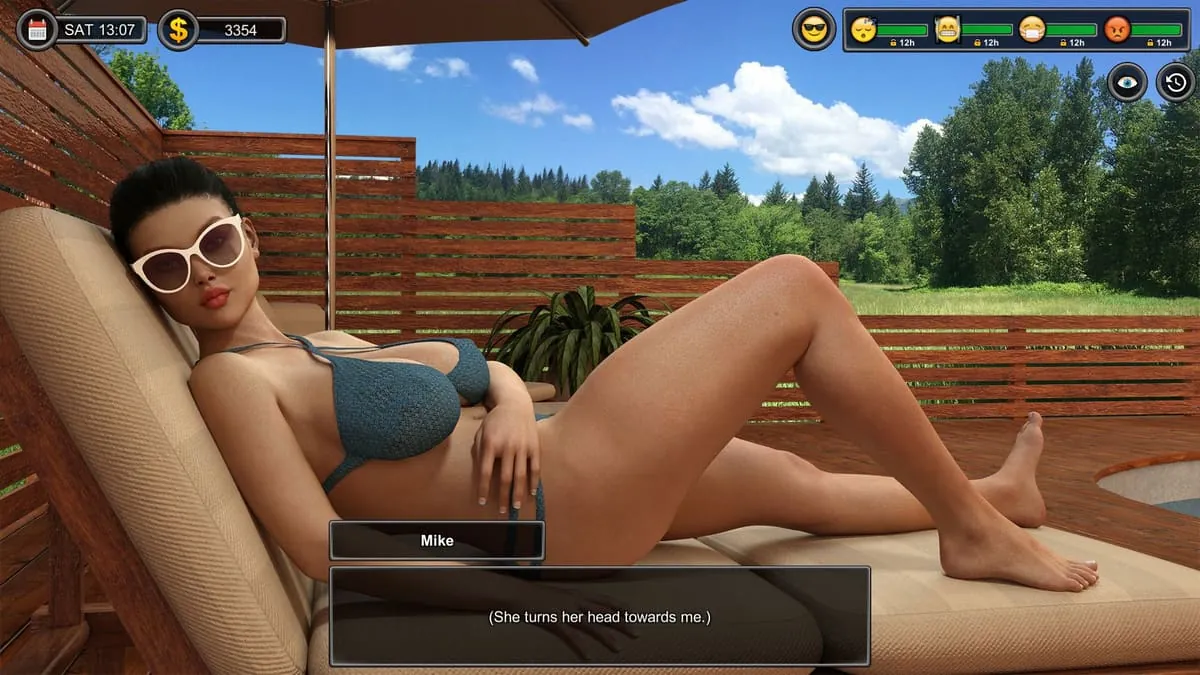
Summer’s Gone Screenshots

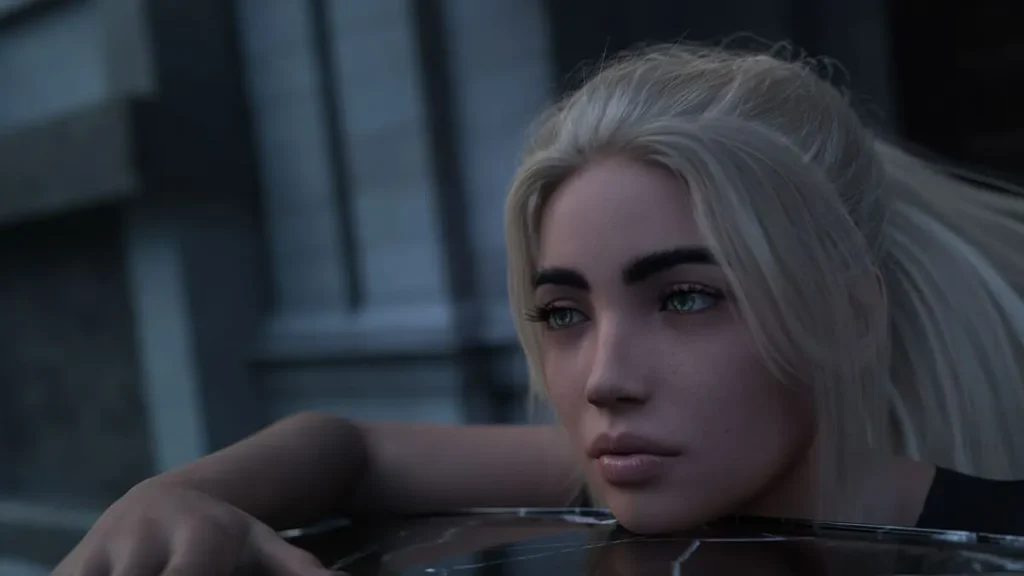











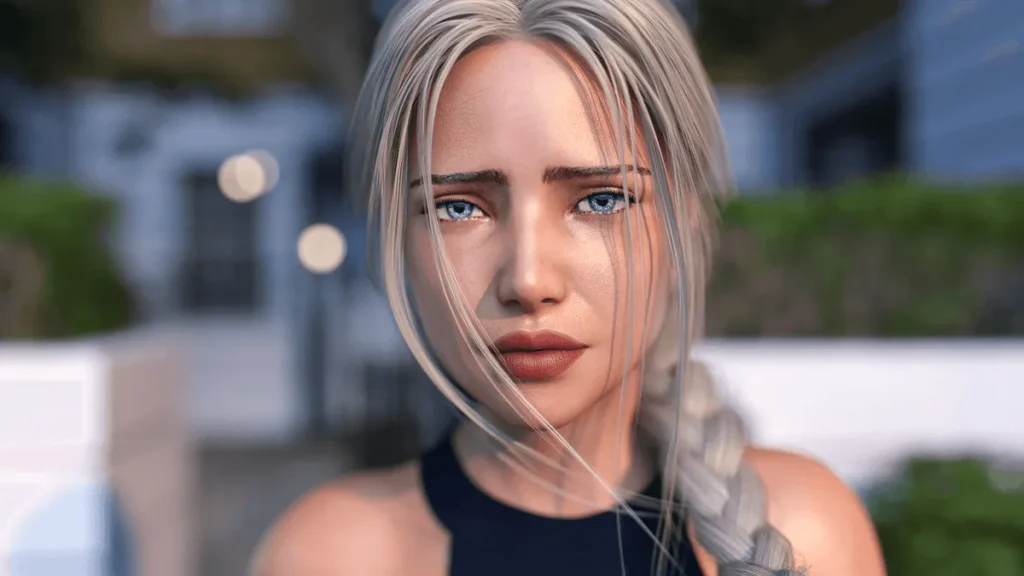

Summer’s Gone review
Explore Trauma, Romance, and Mysteries in This Gripping Game
Imagine losing the one person who made your world bright, only to step into college shrouded in trauma and unanswered questions. That’s the heart of Summer’s Gone, the interactive visual novel that’s captivating players with its raw emotion and slow-burn storytelling. Created by Ocean, this slice-of-life gem follows protagonist Nika Cyrus as he navigates mental health struggles, budding romances, and unfolding mysteries. I remember my first playthrough—those tense dialogues had me hooked, questioning every choice. If you’re into deep characters and relationship-building without rushing ahead, dive into why Summer’s Gone stands out in the visual novel scene. Let’s unpack its world together.
What Makes Summer’s Gone a Must-Play Visual Novel?
I still remember the first time I loaded up Summer’s Gone. 🎮 I was just browsing for a new story, something with a bit more weight than the usual fare. Within minutes, I wasn’t just playing a game—I was feeling for Nika, the main character. The opening doesn’t gently introduce you to his world; it drops you into the silent, heavy aftermath of a personal catastrophe. His childhood love, Summer, is gone without a trace, and the hollowed-out person left behind is who you must guide. That immediate, raw connection to his trauma is the first clue you’re in for something special. This isn’t your typical dating sim; it’s a Summer’s Gone visual novel that uses its interactive nature to explore wounds that don’t just heal overnight.
So, what is Summer’s Gone? At its core, it’s an interactive slice-of-life story about a young man named Nika who is grappling with severe, debilitating trauma as he’s forced to start college. His past haunts his every interaction, making the simple act of existing a daily challenge. But his new life at college is anything but simple. Summer’s Gone story slowly unfurls into a tapestry of college mysteries, complex new relationships, and even subtle sci-fi elements that linger in the background like a curious whisper. It’s a visual novel trauma romance that understands the “trauma” part must be respected before the “romance” can feel earned.
Unpacking the Core Story and Setting
The genius of this Summer’s Gone visual novel lies in its setting and pacing. You aren’t thrust into a plot-heavy mystery from page one. Instead, you’re asked to just… be. Be Nika as he navigates the overwhelming normality of a university campus while carrying an invisible, crushing weight. The setting is a character in itself—from the quiet library and bustling cafeteria to the peaceful lakeside—each location offers a backdrop for both mundane moments and profound breakthroughs.
This is where the Summer’s Gone gameplay truly shines. You guide Nika almost entirely through dialogue choices and small decisions. Will you engage with the cheerful classmate, or shut down the conversation? Do you challenge the rude student, or internalize the insult? These aren’t just “good” or “bad” choices; they’re reflections of a personality you’re helping to reshape. Is Nika going to be defined forever by his loss, or can he slowly, painfully, build something new? Every interaction is a brick in that path.
The characters you meet are far from archetypes. Each one, from the seemingly perfect Bella to the fiercely independent Sasha or the gentle Mila, comes with their own rich, often guarded, backstory. Your choices directly impact your relationships with them, which don’t just operate on a simple “like” meter. You build trust, understanding, and intimacy through careful, consistent actions. Getting close to someone means peeling back their layers while managing your own fragile state. It’s this deep, character-driven focus that makes the Summer’s Gone story so compelling and replayable. You’ll want to go back just to see how a different approach with a character changes the entire emotional trajectory.
Why the Slow-Burn Approach Hooks You
Let’s be honest: we’re used to instant gratification in stories. 😤 Meet-cute, quick conflict, resolution. Summer’s Gone defiantly does the opposite, and it’s its greatest strength. This is a slow-burn narrative in the truest sense. The game takes its time, letting silence and atmosphere do as much talking as the dialogue. This might sound tedious, but it’s hypnotically engaging.
Why? Because it builds immersion and authenticity. Healing from deep trauma isn’t a montage. Building genuine trust with someone who senses your pain isn’t a three-conversation event. The game makes you live that slowness, making every small victory—a genuine smile, a shared secret, a moment of quiet confidence—feel like a monumental achievement. 🏆 When a romantic connection finally begins to spark, it feels fragile, precious, and incredibly real because you’ve done the emotional work to get there. This careful pacing makes it a standout mental health visual novel; it simulates the non-linear, often frustrating process of recovery rather than offering a magic cure.
This deliberate pace is also what makes the Summer’s Gone gameplay of choice so impactful. With a faster story, choices can feel like quick diversions. Here, a single off-hand remark you made three hours ago can ripple through the narrative, affecting how a character perceives you much later. It teaches you to be present and thoughtful in every interaction.
Pro Tip: The branching in this game is significant. Save often, and in multiple slots! You’ll thank yourself when you want to explore a different dialogue path without losing hours of progress.
To help you navigate this beautifully complex web, here are some practical tips for your first playthrough:
- Prioritize Listening: Often, the best dialogue options are those that show you’re paying attention. Reflect back what a character has shared with you to build deeper trust.
- Embrace the Silence: It’s okay to choose options where Nika is quiet or reflective. Not every silence is awkward; sometimes it’s necessary and understood.
- Save Strategically: Before any significant story beat or group interaction, create a new save file. The branching paths can be subtle and wide-reaching.
- Follow Your Instincts, Not a Guide: For the first run, try to respond as you truly feel. This makes the connections you form more personal and meaningful.
- Pay Attention to Environment: The game’s stunning visuals aren’t just pretty. Scenes change to reflect Nika’s mood and progress. Take them in.
Themes of Healing That Hit Home
While romance is a key draw, the soul of this Summer’s Gone visual novel is its unflinching look at mental health. It tackles heavy, real themes—depression, paralyzing loss, shame, social insecurity, and more—with a surprising grace. Nika’s journey isn’t about becoming a “fixed” hero. It’s about learning to manage, to find small pockets of light, and to accept that some scars remain. This realistic portrayal is why it resonates so deeply as a mental health visual novel; it offers validation, not just escapism.
The game also beautifully explores these themes through its supporting cast. You’ll encounter characters dealing with their own forms of disability, grief, and insecurity. Helping them often becomes a way for Nika (and you, the player) to step outside your own head, creating a powerful dynamic where support is mutual. The college mysteries that slowly surface often intertwine with these personal struggles, suggesting that everyone is hiding pain beneath the surface.
To see how the game mirrors our own world, here’s a look at its central themes:
| Theme | In-Game Example | Player Impact |
|---|---|---|
| Loss & Grief | Nika’s pervasive emptiness and triggers related to Summer’s disappearance. | You navigate daily life while carrying a heavy emotional burden, making small joys feel significant. |
| Social Anxiety & Insecurity | Overthinking dialogue choices, avoiding crowded spaces, fearing judgment from peers. | You directly experience the exhaustion of social interaction when you’re mentally drained, valuing peaceful moments. |
| Building Trust | Relationships with characters like Bella or Sasha require consistent, patient effort over time. | You learn that trust is earned through actions and reliability, not grand gestures. |
| Self-Worth & Shame | Nika’s reluctance to open up, fearing he is “broken” or a burden to others. | Your choices can either reinforce his negative self-view or slowly challenge it, teaching the value of self-compassion. |
| The Mystery of “Normalcy” | The contrast between Nika’s internal world and the mundane college routines around him. | You are asked to find meaning and connection within ordinary life, a core part of healing. |
This thematic richness is what stays with you long after you close the game. It’s not about providing answers, but about asking the right questions of both its characters and its players. 🤔
By the end of Season 1, you’re not just invested in “what happens next” in the plot. You’re emotionally invested in who Nika will become and how the fragile bonds you’ve nurtured will grow. You’ve experienced a story that treats its heavy subject matter with respect and its romantic elements with the patience they deserve.
And speaking of those bonds, the heart of this experience truly beats through its unforgettable cast. Each character is a story waiting to be unraveled… but that’s a deep dive for next time. In the next chapter, we’ll get personal with the women of Summer’s Gone, exploring what makes Bella, Sasha, Mila, and the others so much more than just romance options. You won’t want to miss it. 💘
Diving into Summer’s Gone feels like stepping into a world of raw emotion, where every choice shapes Nika’s path through trauma, budding romances, and hidden mysteries. From its stunning visuals and deep characters to the thoughtful exploration of mental health, this visual novel delivers a slow-burn experience that lingers long after the credits roll. My own journey with the game reminded me how stories like this can spark real reflection and connection. If you’re ready for a narrative that builds genuine tension and hope, grab Summer’s Gone – Season 1 on Steam or itch.io today. Replay it, chase those branching paths, and join the community eagerly awaiting Season 2—what endings will you uncover?